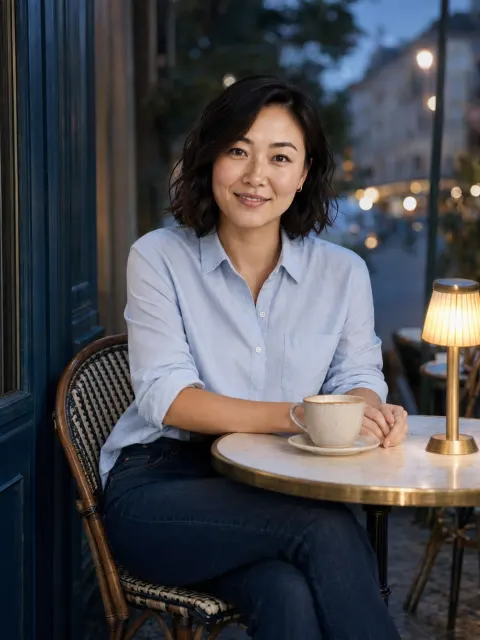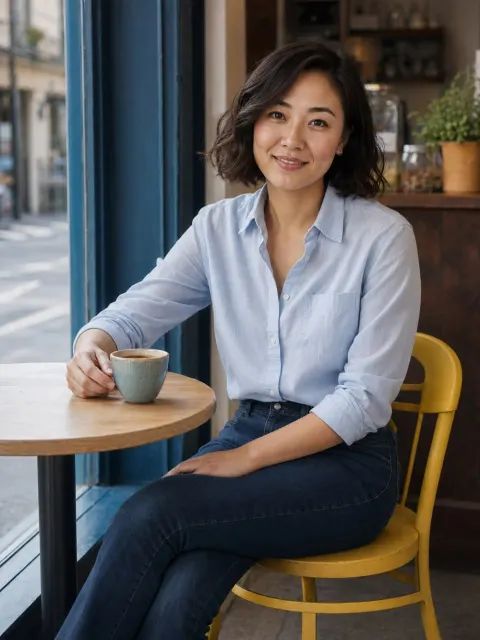

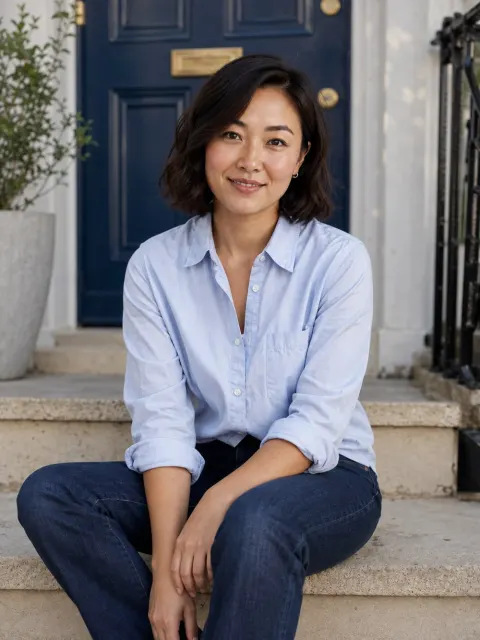

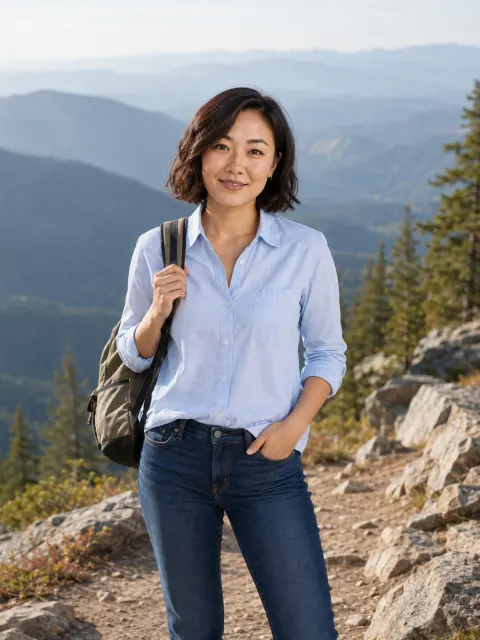
Charmshots editorial ·
What Hinge’s layout rewards
Hinge places your photos between written prompts rather than stacking them on a single card, and people can like or comment on one particular photo or prompt instead of the profile as a whole. That changes what a good picture is. Beyond being clear, every photo is a possible opening line, so an image with something specific in it gives a stranger an easy way to start.
It also means your pictures are read alongside your words. A photo and the prompt beside it should each add something the other cannot. Features are redesigned, renamed and tested on some people before others, so open your own profile preview and judge what you actually see rather than relying on an old tip, including this one.
- A clear lead portrait, so people know whose profile it is before they read a word.
- Specific details over impressive but generic backdrops: the dish you cooked, the record you are holding, the dog you actually walk.
- Variety across all six, because six slots make it easy to fill the set with near-duplicates.
- Photos and prompts that complement each other instead of repeating the same fact twice.
Choose a first photo that does one job
Your first photo is the one people see before they decide whether to scroll. Its job is recognition: show clearly what you look like now, in a way that feels approachable. A picture can be lovely and still fail at that job, which is why sunset silhouettes and summit views tend to work better further down.
- Solo. Nobody should have to work out which person you are.
- Face clearly visible. Eyes showing, no sunglasses, no cap shadow across half your face.
- Close enough. Roughly chest or waist up. A tiny figure in front of a view is a later photo.
- Soft, even light. Open shade, an overcast day or a window beside you beats harsh overhead sun or a dim bar.
- Sharp. Zoom in on your eyes. Soft focus reads as old or careless.
- Recent. Same hair, same build and same face as the person who will turn up.
If nothing in your camera roll passes all six, that is the most useful thing to fix first. The first-photo guide covers crop and background in detail, and the lighting guide shows how to get flattering light with only a phone.

Make all six photos do different jobs
Hinge asks for six photos or videos at the time of writing; check the app in case that changes. Six is a lot to fill, and that is exactly where quiet profiles go wrong: three similar selfies, two group shots and a blurry holiday picture. Give each slot a job before you choose the picture for it.
| Slot | Job | A good example |
|---|---|---|
| 1 | Recognition | A clear solo portrait, waist up, in soft light |
| 2 | The full picture | A standing or walking shot that shows your build and everyday style |
| 3 | Something you do | Cooking, climbing, painting, your regular walk |
| 4 | Your social side | With friends, where you are easy to spot |
| 5 | A different mood | Dressed up for an evening, or relaxed at home |
| 6 | A conversation starter | A detail someone could ask about: a dish, a record, a dog |
The order is a starting point, not a rule. What matters is that a one-line description of each photo comes out different. If two would both be described as ‘me at a bar’, keep the stronger one and replace the other; the lineup guide explains how to spot duplicates on a contact sheet.
Photos and videos
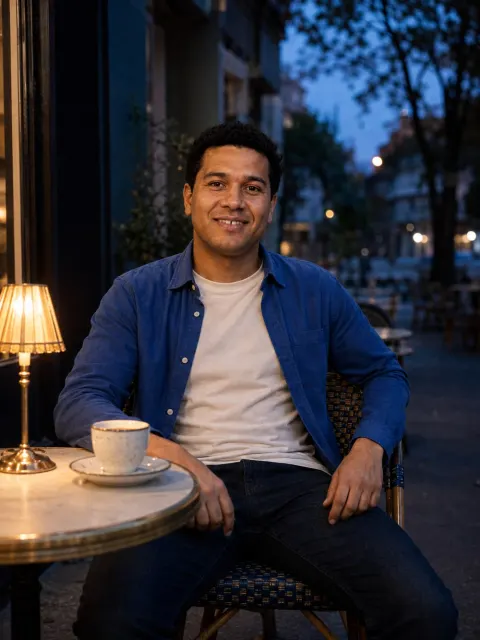
If you add a video, keep it short and make sure your face is visible in the opening frame, because that frame may be all some people see. A video does not need to be clever; a few seconds of you laughing at a café table says more than a montage.
Ask of every photo: could someone reply to this?
Imagine a stranger writing one friendly sentence about each picture. ‘What did you bake?’ is easy. ‘Nice wall’ is not. A tray of cinnamon rolls, a crate of records or a scruffy dog hands people a question; a plain mirror selfie hands them nothing. Only use activities you genuinely do, because a conversation about bread stalls quickly if you have never baked.
Pair each photo with a prompt that adds something
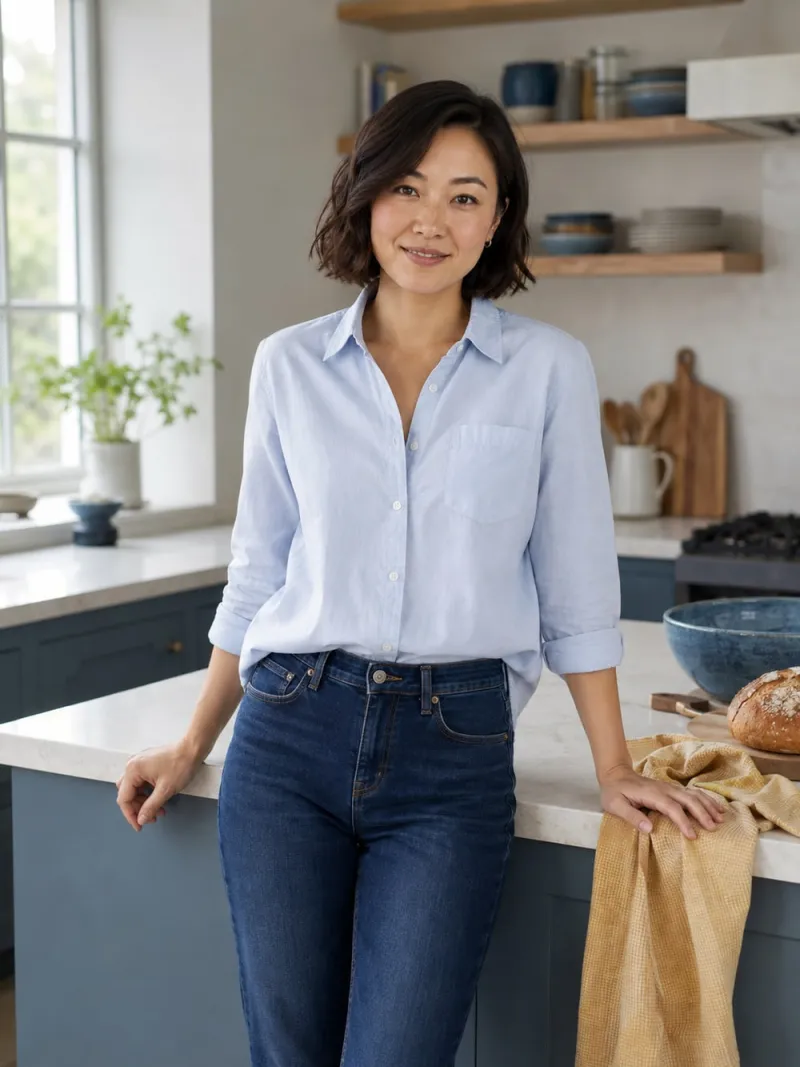
The useful rule is simple: a photo and the words near it should add different information. If the picture already shows you cooking, a prompt that says you like cooking adds nothing. A specific, true detail does, such as the dish you always over-season or the recipe you have been failing at for months.
- Look at the photo and describe what it already says without any text.
- Write one detail the picture cannot show: a habit, a story, a mild opinion.
- Read it aloud. If it does not sound like you, rewrite it.
- Check the preview to see where the prompt actually sits relative to the photo.
Generic answers are easy to write and hard to reply to. Compare the shape of these; they are illustrations, not lines to copy.
| Generic | More specific |
|---|---|
| I love travelling | Still thinking about a bowl of noodles I ate in a train station two years ago |
| Looking for someone kind | Bonus points if you’ll split a dessert and pretend you didn’t want the bigger half |
| Foodie, gym, Netflix | Currently losing a long war with sourdough. The starter is winning |
| Ask me anything | Ask me about the worst haircut I’ve ever paid for |
A hiking photo paired with a line about always packing too many snacks feels warmer than a list of peaks. Keep the set balanced, too: do not lean every prompt on the same hobby or joke. Let the combination show several real interests while the lead portrait stays clear.
No matches on Hinge? Find the weak point first
A quiet Hinge profile is discouraging, but it is rarely a verdict on you. More often it is a presentation problem: a first photo that is hard to read, six pictures that say the same thing, prompts that could belong to anyone, or preferences so tight that few people ever see you. Nobody can honestly promise a number of likes, and Hinge does not publish exactly how it decides who sees whom, but you can remove the obvious reasons someone might pass.
‘No matches’ covers different situations, and each points to a different fix. Look honestly at the last few weeks before you change anything.
| What you see | Most likely weak point | Start here |
|---|---|---|
| Almost no likes coming in | First photo, overall photo quality, narrow preferences | Your first photo, then your filters |
| Likes arrive, but rarely from people you would like back | Photos may not show your real style or life | Photo variety and the settings you chose |
| You send likes and few come back | The profile people land on after your like | Photos, then prompts |
| Matches happen, conversations do not | Nothing in the profile to reply to | Prompts and the comments you send |
Most quiet profiles sit in the first row, and the first row is almost always about photos. That is good news: photos are the easiest thing to change in an afternoon.
Common photo mistakes on quiet profiles
- Every photo taken from the same arm’s-length selfie angle.
- Sunglasses or hats in more than one picture.
- Group photos in the first two slots.
- Photos several years old, or with a noticeably different hairstyle or build.
- Heavy filters or beauty smoothing that make one picture look unlike the rest.
- Dark, grainy night-out photos where your face is hard to make out.
Use the app as designed and ignore ‘algorithm hacks’
Hinge describes some features, such as its daily suggestion of a potentially compatible profile, as learning from how you use the app. Confident online claims about secret timings, liking everything in sight or deleting and recreating your account are guesswork at best. Open the app regularly, like profiles you are genuinely interested in, add a short specific comment when you send a like, and reply to matches reasonably promptly. If you are tempted to start again from scratch, read Hinge’s current terms first; you also lose your existing matches and conversations.
Check your preferences and dealbreakers
Hinge lets you set preferences such as distance and age range, and mark some of them as dealbreakers. Every dealbreaker narrows the pool of people you see and, in practice, the people likely to see you. Settings chosen months ago in a different mood can shrink things more than you realise.
- Distance. Outside a city centre, a very small radius may include few active people.
- Age range. A narrow window cuts the pool sharply. Try widening it by a year or two either side and see whether that feels right.
- Dealbreakers. Keep them for things that genuinely are. Nice-to-haves can stay as preferences.
- Location. Make sure the app has your current location if you have moved or travel often.
Setting names change, so open the preferences screen in the app itself rather than following an old screenshot.
A two-week fix plan
Changing everything at once makes it impossible to tell what helped. Work in order and give each round a fair run.
- Day 1: audit. Screenshot your profile, label each photo by its job and mark anything blurry, old, dark, filtered or duplicated. The free photo score tool checks face, light, sharpness, framing and filters privately in your browser.
- Days 1 to 3: replace the weakest photos. A new first photo if needed, then fill whichever jobs from the table above are missing.
- Day 3: rewrite prompts. One specific detail each, and nothing that repeats a photo.
- Day 3: review preferences. Loosen anything that is not a true dealbreaker.
- Days 4 to 14: leave it alone. Use the app normally and send likes with comments.
- Day 14: review. If it is still quiet, change one thing, usually the first photo, and repeat.
A fortnight is long enough to notice whether the profile feels different, without reading meaning into a single quiet evening. Matches depend on many things you cannot control, so judge the change against what you set out to fix: a clearer face, less repetition, more to reply to.
If you simply do not have usable pictures, a phone on a timer by a window is enough for a clear portrait; the guide to taking your own photos has a shot list you can finish in an hour.
Using the same photos on Tinder and Bumble
You do not need three separate collections. Keep one album of approved photos, originals plus the exports you have checked, and adapt it for each app. The fundamentals never change: a clear, recent first photo, every picture doing a different job, nothing that no longer looks like you, friends who are happy to appear and nothing you could not talk about on a first date.
Hinge asks the most of each individual picture, because any of the six can become the start of a conversation. On Tinder the first photo fills most of the screen and has to work almost alone, so speed of reading and the crop matter more than detail. On Bumble the profile is usually seen as a scroll, so the variety of the whole set carries more weight. A photo with a strong talking point that is ideal in slot three on Hinge might be the wrong lead on Tinder.
Many apps also offer some form of verification, usually a live selfie or short video compared with your profile photos. Read Hinge’s own help pages for how its version currently works. Your profile pictures should look like the person who turns up for that check and, more importantly, for the date.
Where AI photos fit on Hinge
An AI portrait can fill one clear gap, such as a well-lit solo first photo when your camera roll is all group shots and dim selfies. It cannot prove anything. Because Hinge invites comments on individual pictures, a generated scene of an activity you do not do is especially risky: someone may ask about it in the first message.
- Check Hinge’s current guidelines in the app before uploading; rules change.
- Keep at least a couple of recent real photos in your six.
- Compare every result with an ordinary recent photo; reject anything that changes your face, teeth, hairline or build. The likeness checklist lists what to inspect.
- Choose settings from your real week, such as a café or a record shop, not a lifestyle you would have to explain.
- Never use a generated image for verification, and answer plainly if a match asks how a photo was made.
Are AI photos allowed on dating apps? explains how to read each app’s rules and where the honest line sits.