Why hobby photos work
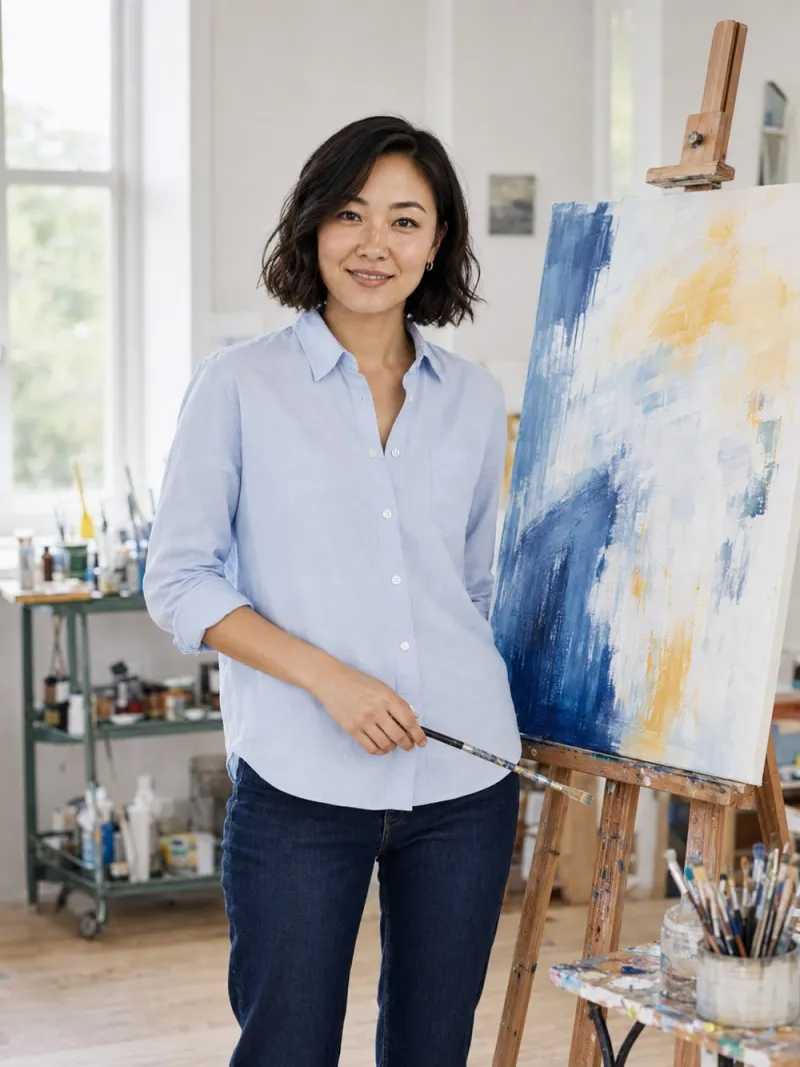
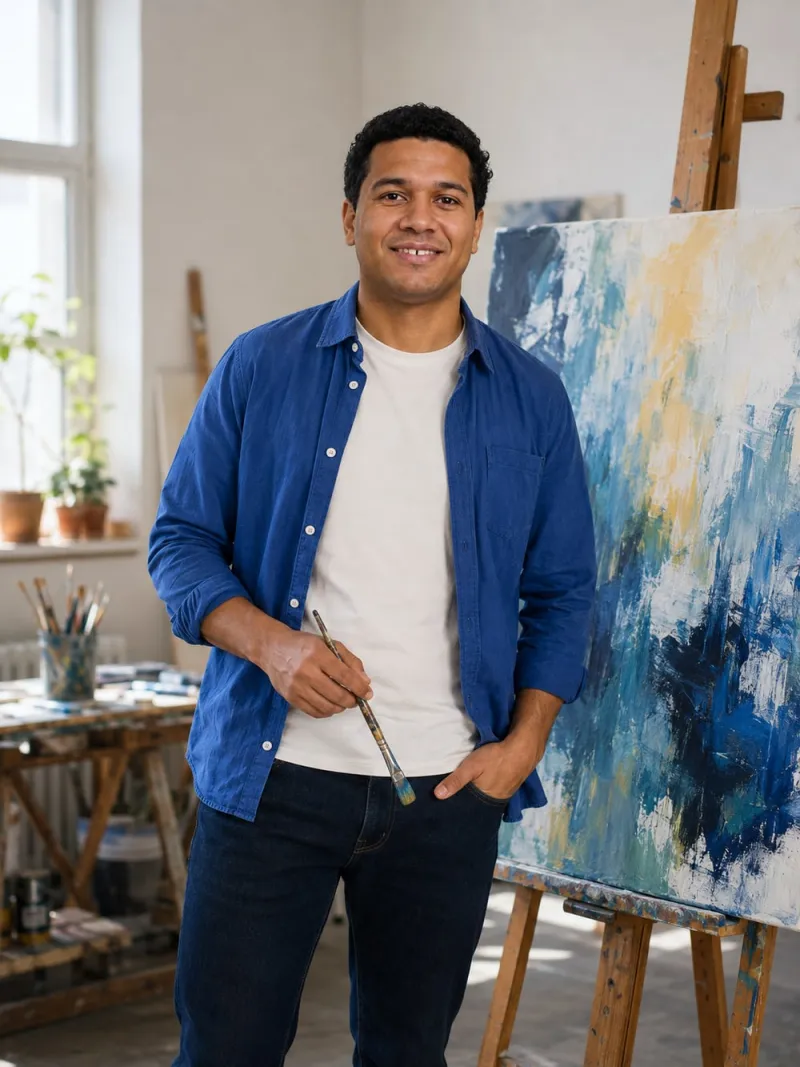
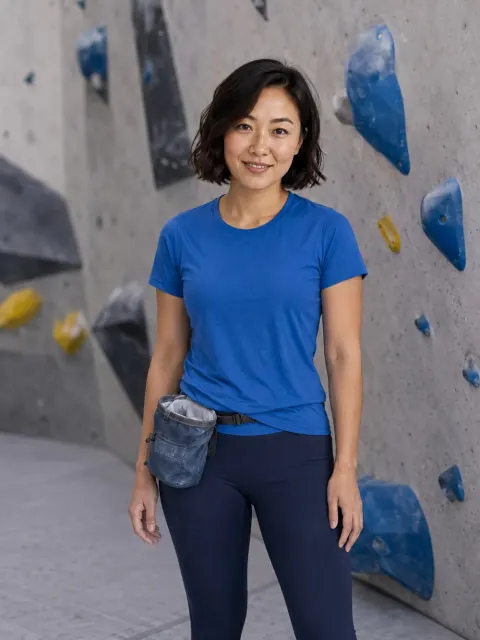
Look at the messages that are easy to send. “What are you making?” “Is that your record collection?” “What did you bake?” They all come from a specific detail in a picture. A portrait tells people what you look like; a hobby photo tells them what to say.
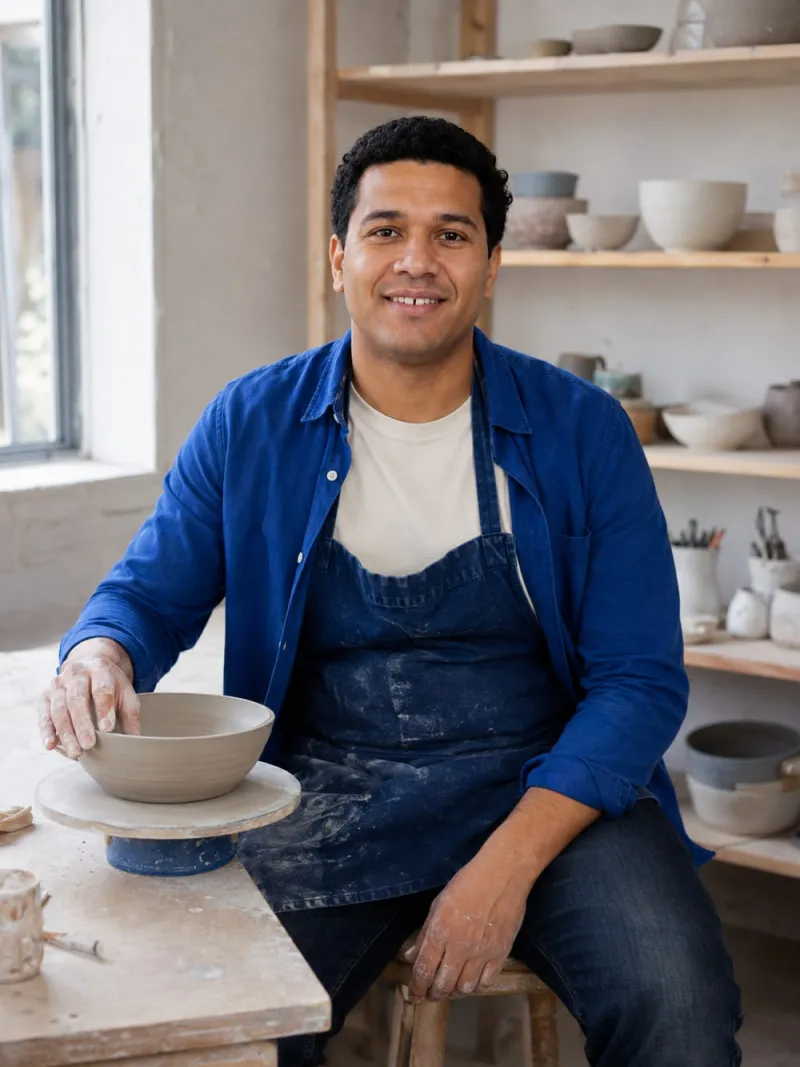
Hobbies also signal how you spend your time and what you value: patience at a pottery wheel, taste in a record shop, care in a kitchen. Those are the things people want to find out on a first date anyway. Showing one honestly saves you both a round of generic questions.
Which hobby to show
Pick the one you could talk about for five minutes without running out. That is a better test than which looks most impressive. A slightly wonky mug you made last month is a stronger opener than a polished picture of a skill you have barely tried.
Specific beats general. “Reading” is a mood; a particular book on a particular dock is a question. “Cooking” is a list item; a tray of cinnamon rolls is an invitation. If your hobby is hard to photograph, such as writing or coding, show the setting where you do it and let a prompt name the thing itself.
One hobby photo is normally enough, two if they are very different. The rest of the lineup still needs a clear portrait, a wider everyday shot and something social. The lineup guide shows how to give each picture its own job.
How to take a hobby photo without staging it
- Photograph a pause. Look up from the wheel, step back from the canvas, glance over from the shelf. You don’t need an action shot; you need your face.
- Keep equipment away from your face. A camera held to your eye, a guitar neck across your chin or a mixing bowl at shoulder height all hide the most important thing.
- Leave enough of the scene to explain it. Shelves of pots, a messy palette, crates of records. The setting does the captioning.
- Use window light. Studios, kitchens and shops often have harsh overhead light. Stand facing the window instead; the lighting guide shows how.
- Be safe and polite. Don’t look at the camera while using a knife or holding a hot tray, and ask before photographing in a shop or studio.
Mistakes to avoid
- Props without the hobby. A borrowed guitar or a book you haven’t read creates a story you then have to maintain.
- The finished object, without you. A picture of a cake or a canvas can be lovely as a second hobby image, but on its own it tells people nothing about your face.
- Clutter and private details. Clear away receipts, labels, screens and anything with an address on it.
- Too many hobbies in one lineup. Six interests in six photos reads as a list. One or two, done well, reads as a person.
- Heavy filters on warm interiors. Kitchens and studios already lean orange; a warm filter on top can change your skin tone noticeably.