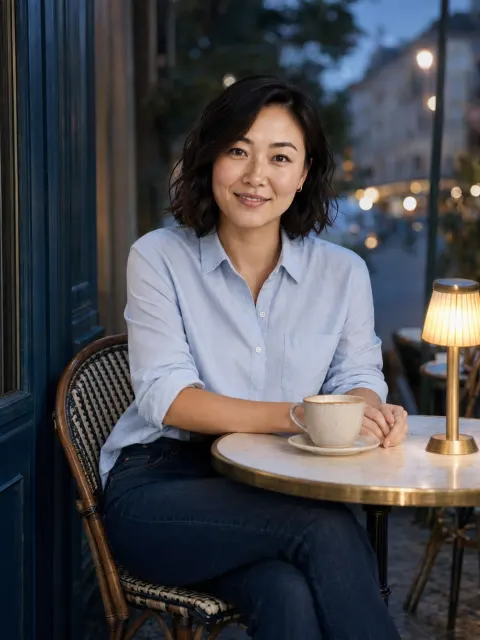
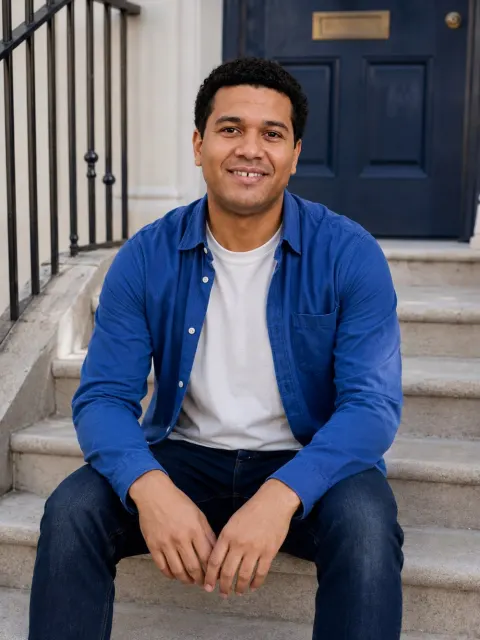
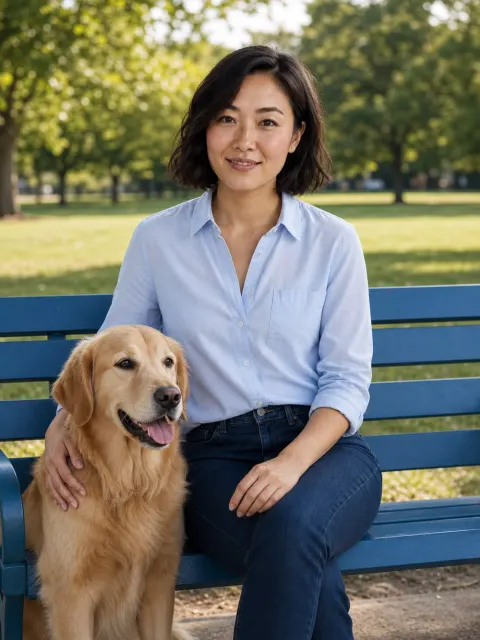



Charmshots editorial ·
What Tinder’s layout rewards
Tinder has traditionally centred on a card where your photo fills most of the screen, your name and age sit over part of it, and people tap or swipe through quickly. Many decide before they reach the bio. That makes Tinder less forgiving than apps that mix photos with prompts: each picture has to explain itself with very little help.
- Instant readability. Your first photo should make sense in about a second at phone size.
- Visible differences. When people tap fast, two photos in different shirts against similar walls look identical.
- Clean crops. The app fits every picture into its own frame and lays text over it.
- A short, specific bio for the people who do read it and for the conversation after you match.
Layouts change, so open your own profile preview and judge what you actually see.
Make the first photo readable at a glance
Imagine your first photo shown small, on a bright screen, for one second. Could a stranger tell what you look like and roughly what sort of person you are? If not, it needs replacing, however much you like it.
- Solo, and obviously you. Never a group photo, never one where someone else is more prominent.
- Face large enough. Roughly chest or waist up. A distant figure on a cliff edge belongs later.
- Eyes visible. No sunglasses and no deep cap shadow.
- Soft, even light. Open shade, an overcast day or a window to one side. Avoid harsh midday sun and dim indoor light.
- Simple background. A busy scene competes with your face at small sizes.
- A natural expression. A relaxed smile or an easy, warm look. Forced grins and blank stares both read badly.
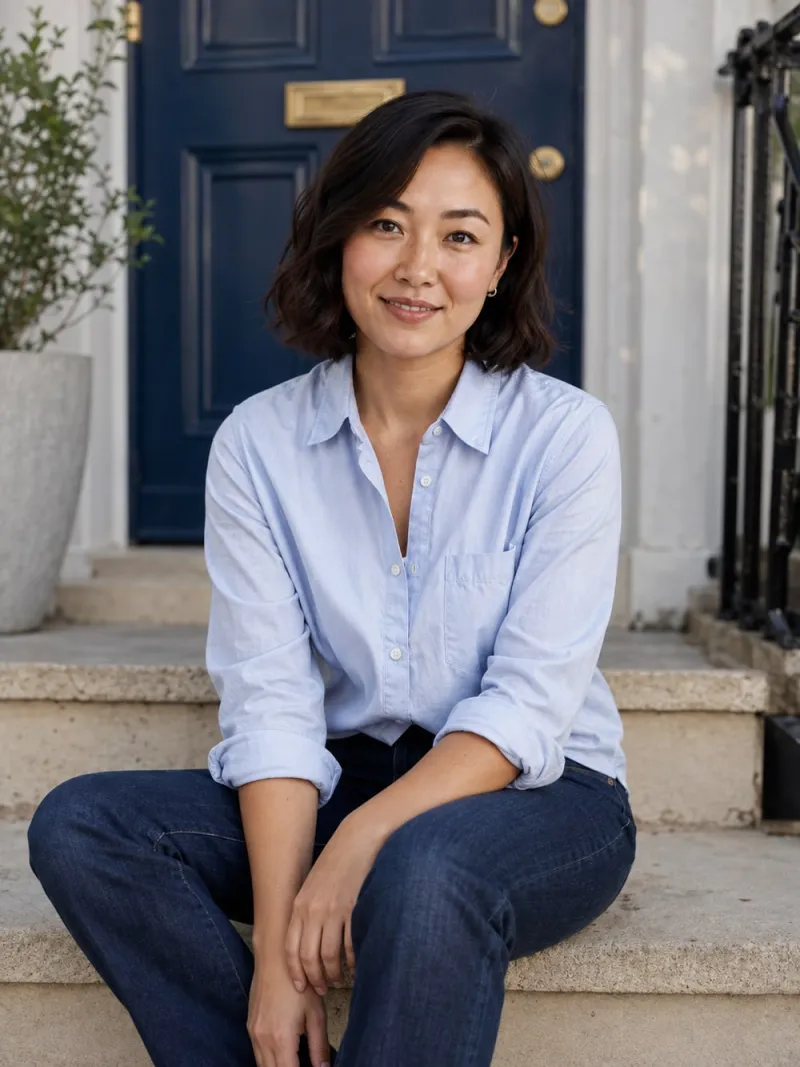
For crop, background and expression in more depth, see choosing your first dating photo.
Check the crop and the overlays
A photo that looks fine in your camera roll can feel cramped on a Tinder card. The app crops it into its own frame and places your name, age and other details over part of it, so a face that sits low in the frame can end up partly covered.
- Upload the original, full-quality file, not a screenshot or a version you have already cropped tightly.
- Leave room above your head and around your shoulders so the app’s framing has space.
- Open your profile preview and check the top of your hair, both sides of your face and your hands.
- Look at where the text overlay lands. If it covers your chin or mouth, recrop or choose another picture.
- Make sure other people, arms or objects are not awkwardly sliced at the edges.
- Check every photo, not just the first, then save and reopen the profile to confirm.
A landscape travel photo needs a very different crop from a close portrait. Never stretch an image to fill a portrait card; choose a better crop or another picture. The free crop and resize tool works in your browser if you need to prepare a version. Keep the original and your chosen export separately, because fixed-dimension advice goes out of date whenever an app changes its layout.
Make every other photo look different at a glance
Tinder lets you add up to nine photos; check the app for its current limits. Use as many as add something new and no more. Aim for pictures that differ in distance, setting and mood, so every tap shows a change.
| Photo | What it adds | Avoid |
|---|---|---|
| 1 | Clear face, current look | Sunglasses, groups, distance |
| 2 | Full-length or walking shot | Mirror selfies |
| 3 | Something you do | Activities you do not really do |
| 4 | Friends, with you easy to find | A group shot where you are hard to spot |
| 5 | A different setting or mood | A near-copy of photo 1 |
| 6 | Optional: a detail to talk about | Filler added just to use a slot |
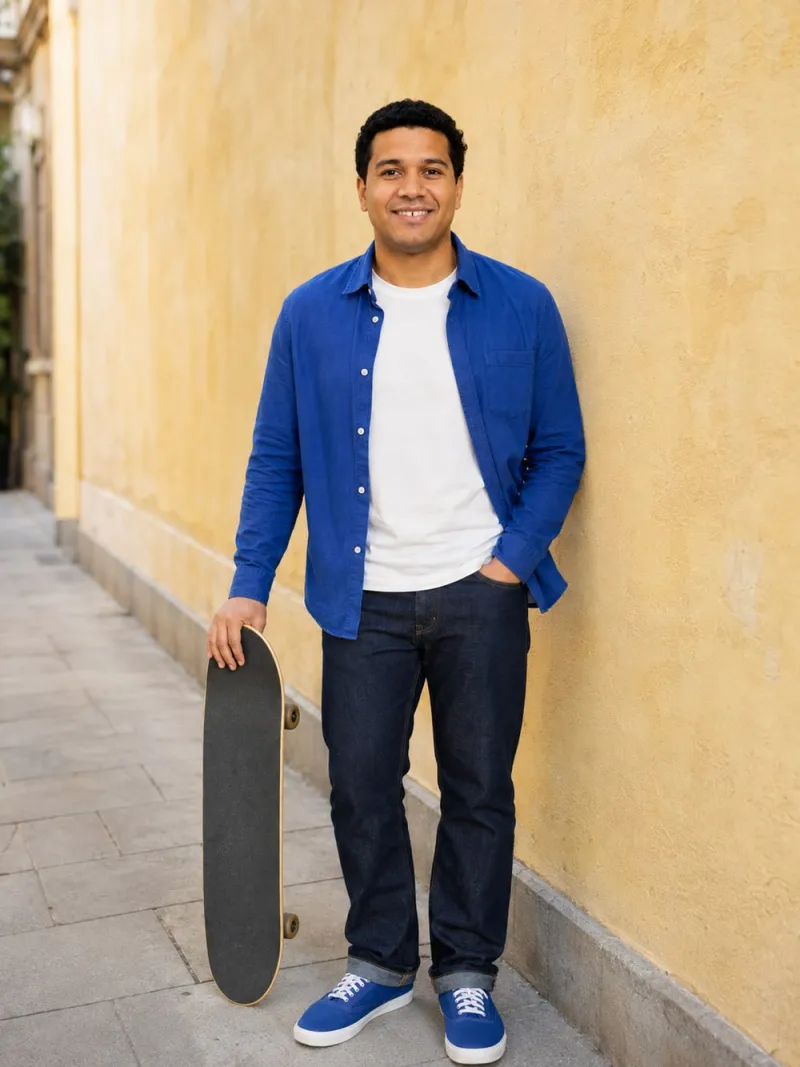
Photos that commonly hold a Tinder profile back
- Car selfies and bathroom mirror selfies as the main photos.
- More than one photo with sunglasses.
- Group photos where people have to work out which one you are.
- Someone cropped out, leaving an arm or shoulder in the frame.
- Heavily filtered or beauty-smoothed photos that do not match the rest of the set.
- Screenshots, low-resolution images or photos that are clearly years old.
Photo order and Smart Photos
Tinder offers a feature it calls Smart Photos, which it describes as testing the order of your pictures and showing first the one it finds performs best. If you use it, every photo needs to be good enough to lead, because any of them might. If you prefer to control the order, turn it off and put your clearest portrait first. Check Tinder’s help pages for how the feature currently works.
Write a short bio that gives people something to say
Many people decide on photos alone, but the bio still matters to those who read it and to the first message after you match. Keep it short and specific.
- One or two concrete details. ‘Currently trying to cook every recipe in one cookbook, badly’ beats ‘I love food’.
- Something easy to ask about. A place, a habit, a mild opinion.
- No list of demands. A wall of rules reads as tired rather than selective.
- No social handles instead of a bio. People want a reason to talk to you here.
Then make sure photos and bio agree. If the bio mentions weekend markets, a picture at a market makes it feel real.
No matches on Tinder? Start with the photos
When Tinder goes quiet it is tempting to blame the app, the area or the time of year, and sometimes those play a part. The part you can change today is what people see in the second or two they spend on your card, and on Tinder that is mostly your photos, above all the first one. Tinder does not publish a full explanation of how it orders profiles, and nobody can honestly promise a number of matches, so focus on making the profile clear, current and easy to say yes to.
| What you notice | Likely weak point | Fix first |
|---|---|---|
| Very few matches at all | First photo: unclear, distant, dark or not solo | Replace the first photo |
| Matches drop off after people tap through | Later photos repeat or contradict the first | Cut duplicates, add a full-length and an activity shot |
| Your face looks cramped or covered | Crops and overlays | Recrop from the original files |
| Matches sit in the list with no conversation | Nothing in the profile to talk about | Bio and one photo with a talking point |
Run your current set through the free photo score tool for a quick private check of face, light, sharpness, framing and filters before you change anything.
Review your settings
Tinder lets you set a maximum distance and an age range, among other options. Narrow settings shrink the pool of people you see, and a setting you chose long ago may not reflect what you want now.
- Widen the distance a little if you live outside a city centre.
- Widen the age range by a year or two either side and see whether it feels right.
- Make sure your location is current if you have moved.
- Check that you have not hidden your profile or paused discovery without meaning to.
Option names change, so open the settings screen in the app rather than following an old screenshot.
Resets, boosts and other shortcuts
You will find plenty of confident advice about resetting your account, swiping at particular times or paying for visibility. Most of it is guesswork.
- Deleting and recreating your account loses your matches and conversations, and repeated resets may conflict with Tinder’s terms. Read the current terms first.
- Paid visibility features put your profile in front of more people for a while. If the photos are weak, more people see weak photos. Fix the profile before spending money.
- Swiping right on everyone fills your list with people you are not interested in and does nothing for your profile.
Using the app regularly, being selective and replying to matches is the sensible baseline. Beyond that, your photos are the lever.
If you match but conversations go nowhere
Sometimes the problem is not matching at all; matches sit in the list and nothing happens. That points less at your first photo and more at what the rest of the profile gives people to work with, and at how you open.
- Give them a hook. A specific detail in your bio, or a photo with something in it such as a dish, a record or a place you go, makes the first message easier for both of you.
- Open with something specific. A question about a detail in their photos or bio is easier to answer than ‘hey’.
- Keep it light and short. One or two lines. Long first messages can feel like pressure.
- Reply reasonably promptly, and suggest meeting when it feels natural rather than letting a chat drift for weeks.
If a set made only of portraits against plain walls keeps producing silent matches, swap one of them for an activity or setting you genuinely enjoy. It is clear, but it gives nobody an easy first line.

A simple fix plan
- Audit. Screenshot your card and each photo, and run the set through the score tool.
- Replace the first photo if it fails any of the first-photo checks.
- Cut duplicates and fill missing jobs: full-length, activity, social.
- Check every crop in the live preview.
- Rewrite the bio with one or two specific details.
- Review your settings.
- Wait a week or two before judging, then change one thing at a time.
If none of your photos passes, take new ones: a phone on a timer and decent light is enough, and the guide to taking your own photos has a full shot list. An hour with a friend on a bright, overcast afternoon works too.
Adapting your Tinder set for Hinge and Bumble
Start from one master album of approved photos and adjust it per app rather than curating separate collections. What makes a strong Tinder set, a lead portrait that reads instantly and pictures that change visibly from tap to tap, is a good base everywhere.
- **Hinge** shows photos between written prompts and lets people comment on a single picture, so choose six that each invite a reply and write prompts that add a detail the picture cannot show.
- **Bumble** is usually seen as a scrolling profile, so make sure the scroll shows real variety in distance, setting and mood.
- Tinder rewards speed: the clearest photo first and every crop checked.
Many apps, Tinder included, offer some form of photo verification, typically a live selfie or short video compared with your profile. Read the app’s help pages for the current process, and keep your profile photos close enough to how you look that the check is unremarkable.
Where AI photos fit on Tinder
On a fast, photo-first app a generated portrait can be tempting for the lead slot. It can work there only if it clearly looks like you now. Check Tinder’s current community guidelines before uploading, keep recent real photos in the profile, and never use a generated image for verification.
- Compare each result side by side with a recent unedited photo; reject drift in face shape, teeth, hairline, build or apparent age. The likeness checklist covers what to inspect.
- Choose ordinary settings close to your real life, such as a neighbourhood stoop or a balcony at sunset.
- Avoid scenes that imply pets, travel, hobbies or money you do not have.
Are AI photos allowed on dating apps? explains how to read the rules and where the honest line sits.