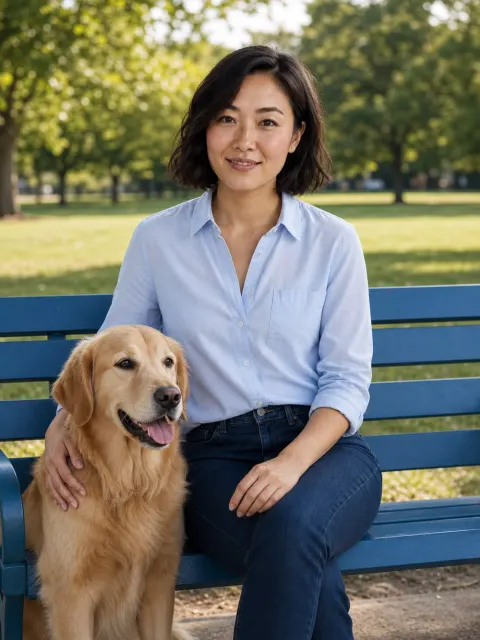
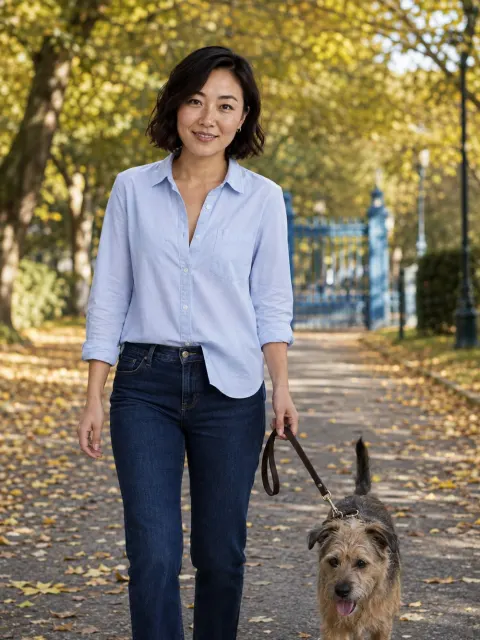
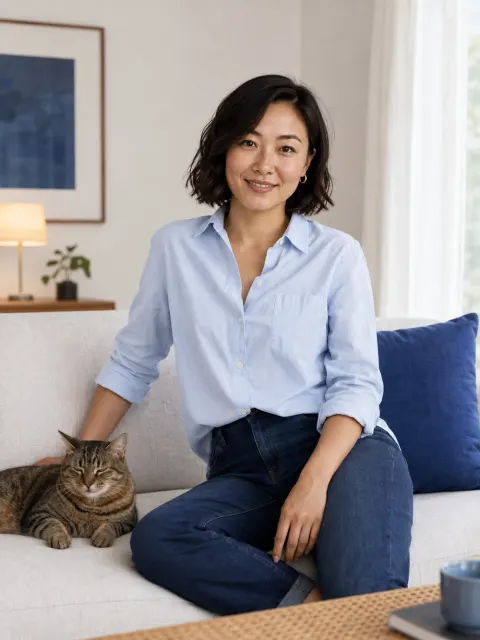
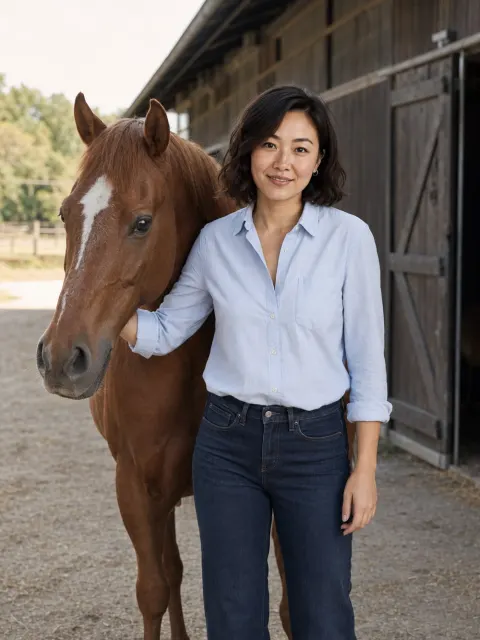
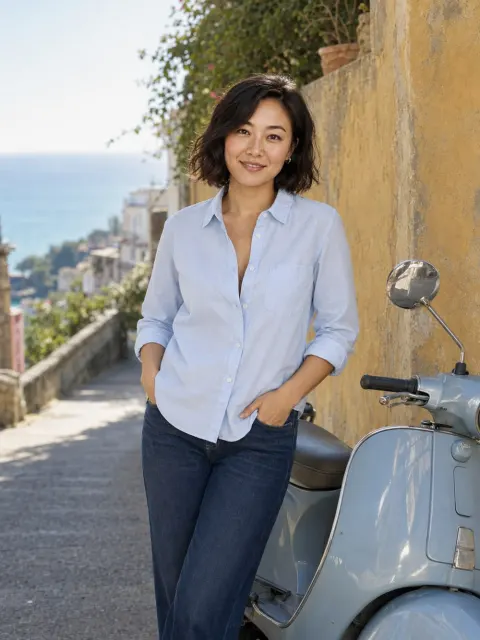
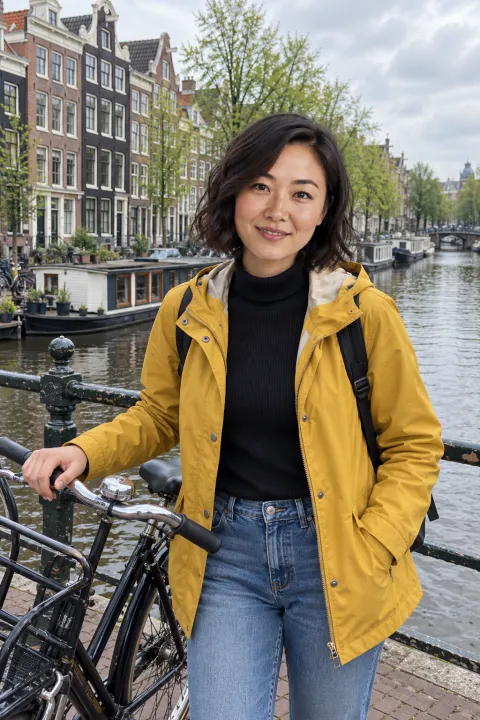
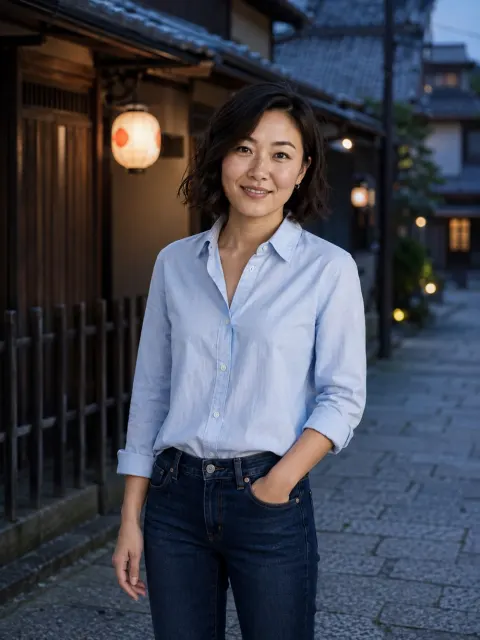
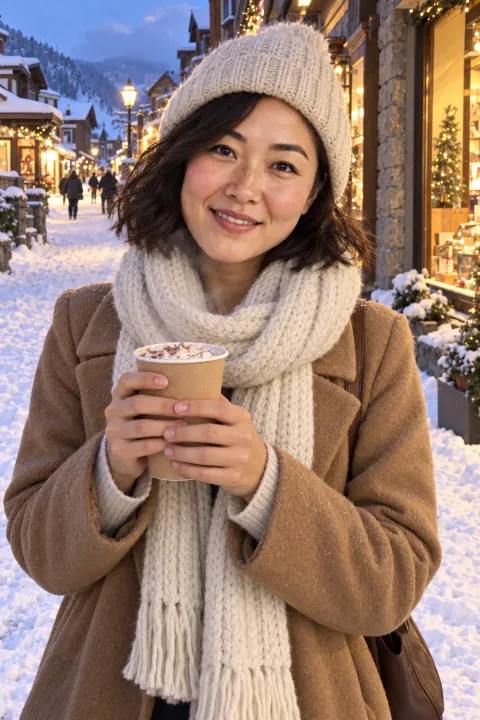
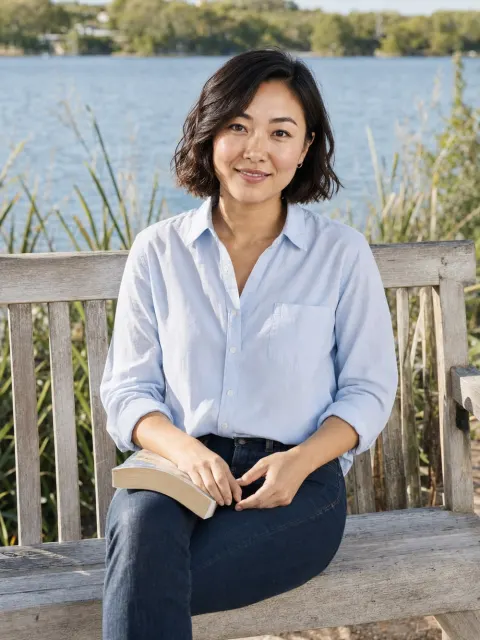
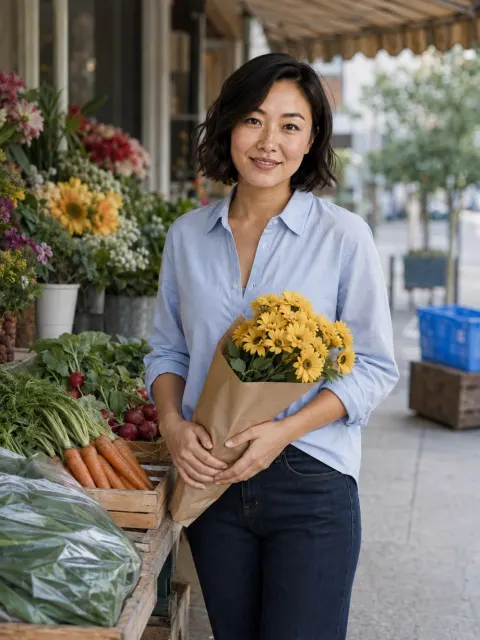
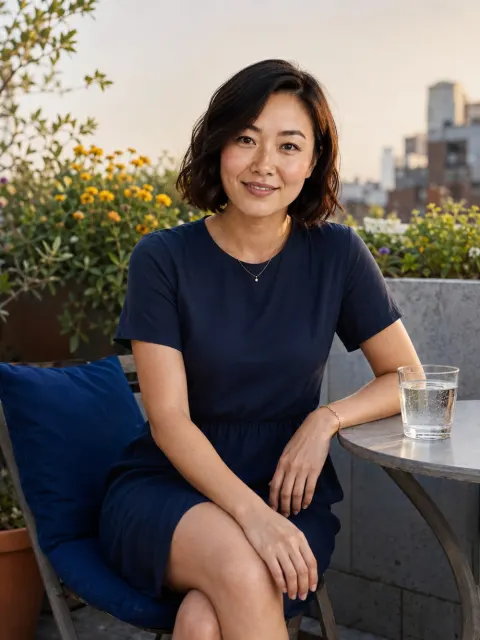
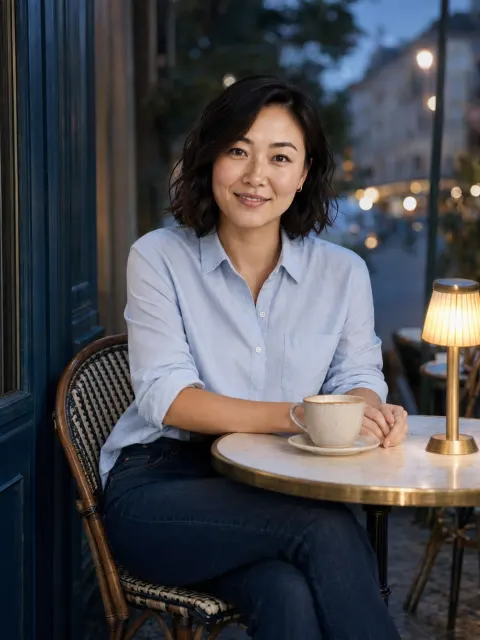
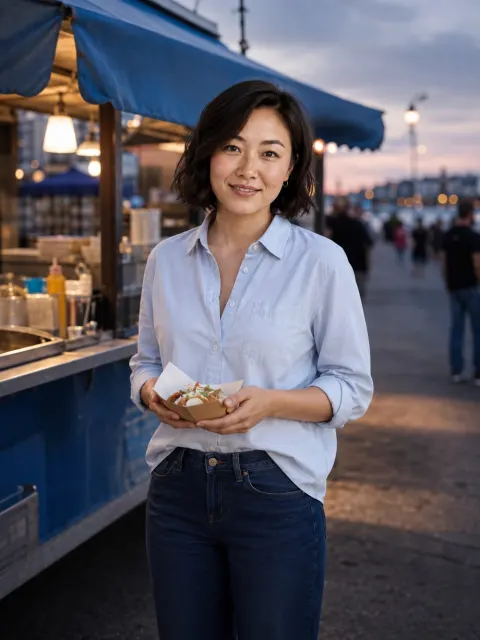
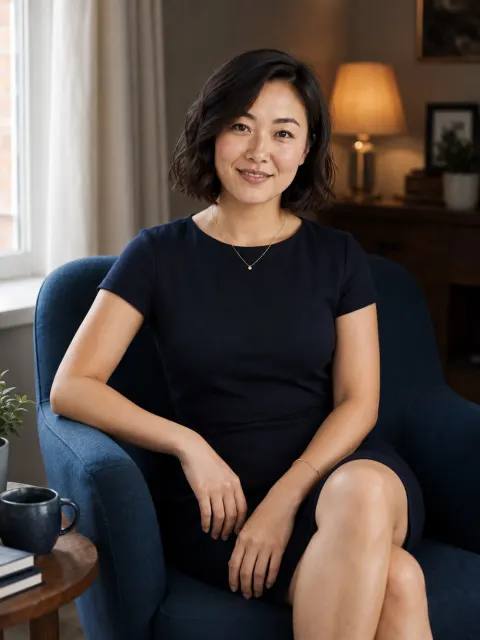
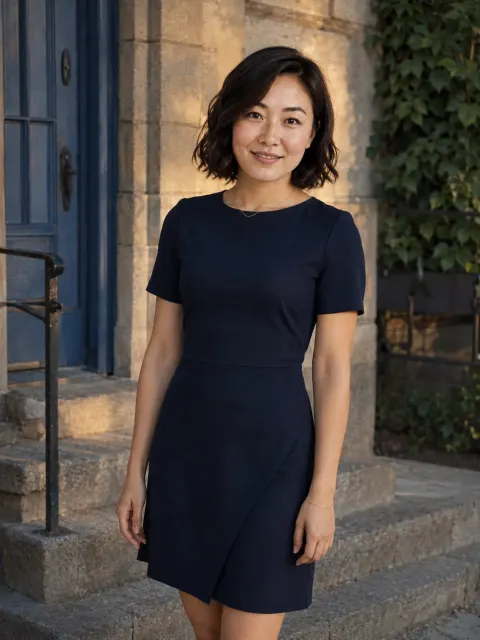
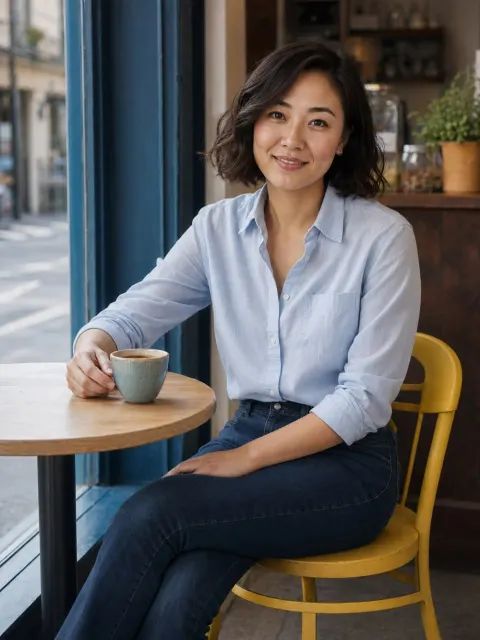
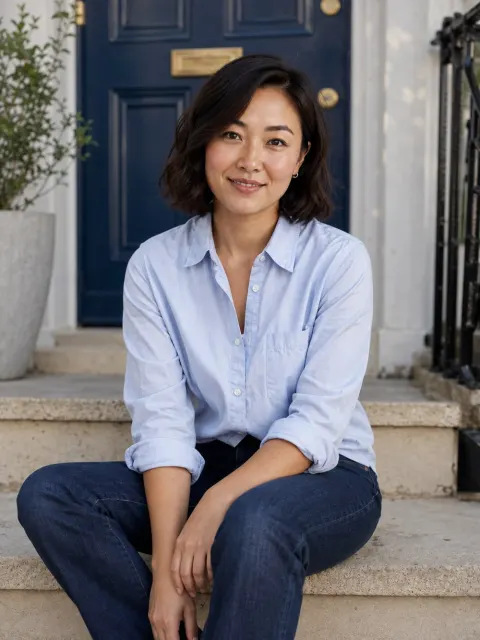
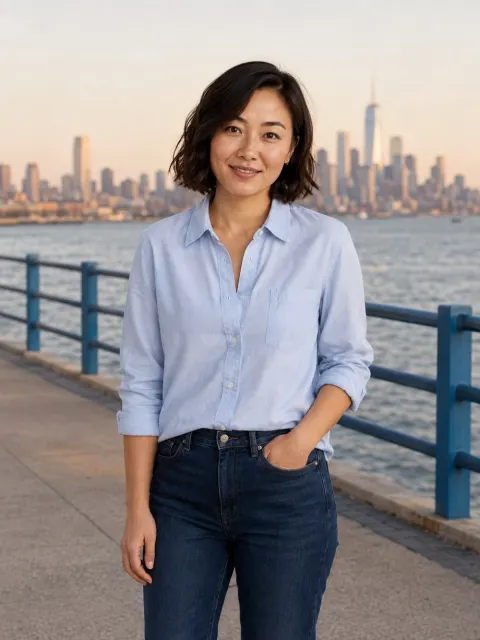
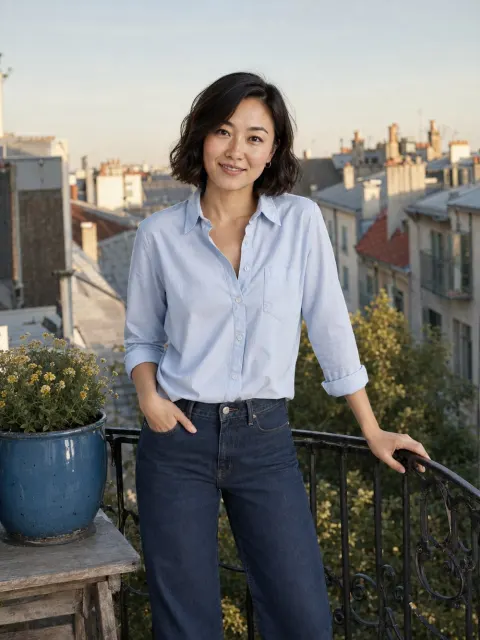
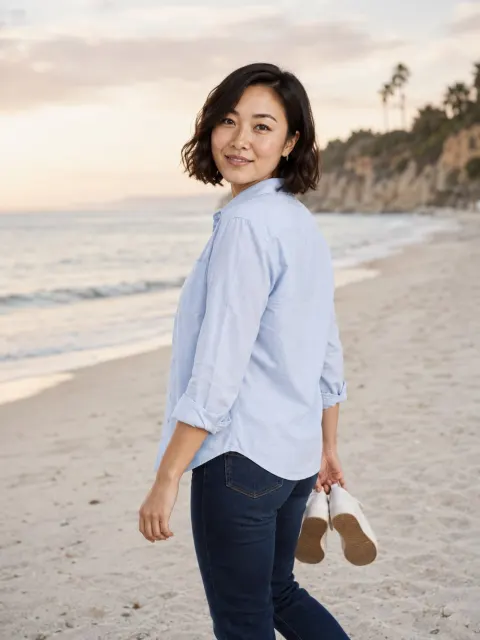
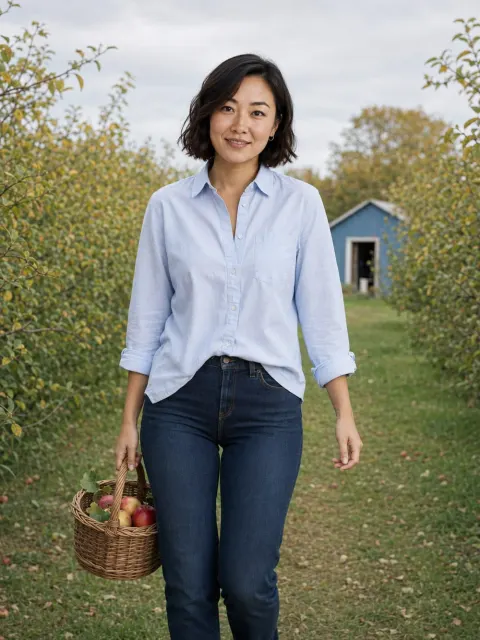
The best dating profile photo ideas come from your real life: a café portrait, a walk, a pet, a hobby, a trip, a night out. Below are 31 example scenes grouped into six themes, and a practical guide to choosing the few that fit you.
Start by giving every photo a job
Good dating photos answer different questions: what you look like now, how you spend your time and what someone could ask you about. Before you shoot or choose anything, look at what your current set is missing. A simple worksheet helps.
First portrait. Would someone recognise me now? Face visible, recent appearance, a crop that works as a thumbnail.
Wider view. What does my everyday style look like? Natural proportions, an uncluttered frame.
Genuine interest. What could someone ask me about? A specific detail from something I really do.
Different mood. Does this add something new? A different expression or setting, not a near-duplicate.
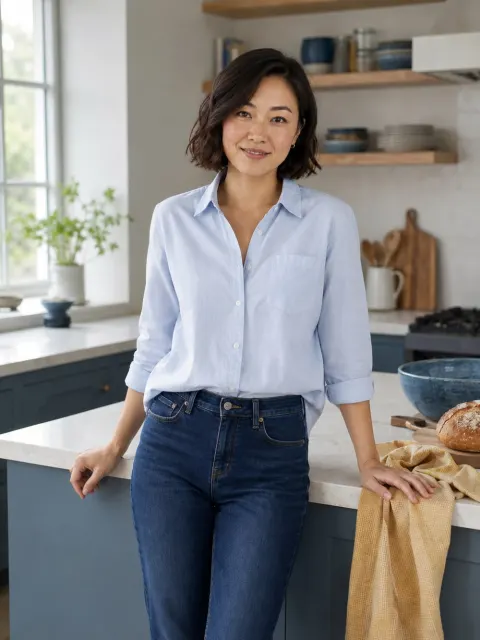
Compare two shortlists. One has four café portraits with nearly identical crops. The other has a clear solo portrait, a wider everyday picture, a real cooking photo and a relaxed outdoor moment. The second is far easier to read, because each image has its own purpose. Write one sentence explaining why each picture is in; if two sentences match, drop one.
A six-photo lineup that works
Hinge asks for six photos or videos, and six is a sensible target on most apps. Treat the themes below as a menu, not a checklist: pick from two or three that genuinely reflect your life, and leave the rest. A reliable order looks like this:
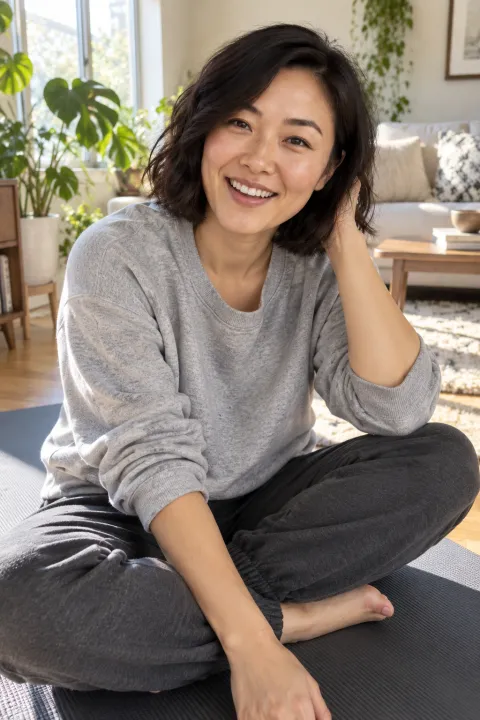
A clear solo portrait. Usually an everyday setting with soft light. This slot is only about recognition.
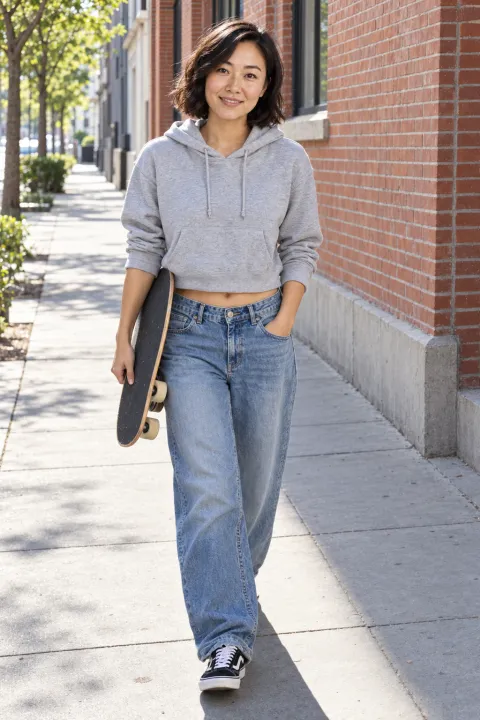
A wider everyday shot. Your normal clothes and build, ideally full-length or close to it.
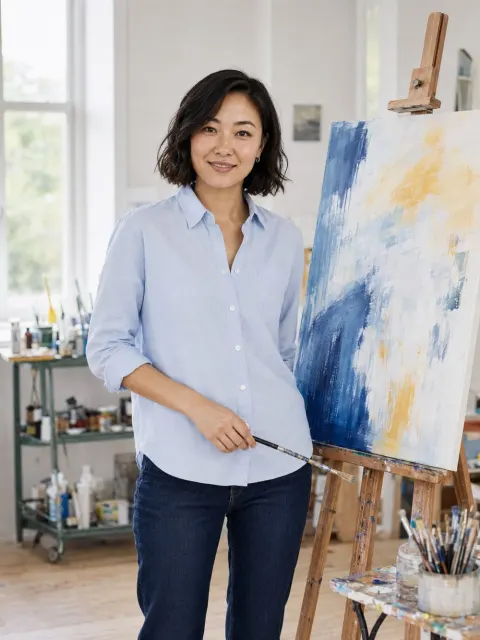
Something you do. A hobby, a sport or a pet: the picture most likely to start a conversation.
A social or evening picture. Proof you leave the house, with your face still well lit.
A place you love. A trip, a trail or your own neighbourhood.
A different mood. Dressed up, a quiet moment, or a second interest.
The order matters less than the variety. If two pictures share the same distance, background and smile, they are one picture. The lineup guide walks through shortlisting, contact sheets and cutting duplicates, and the first-photo guide covers the lead slot.
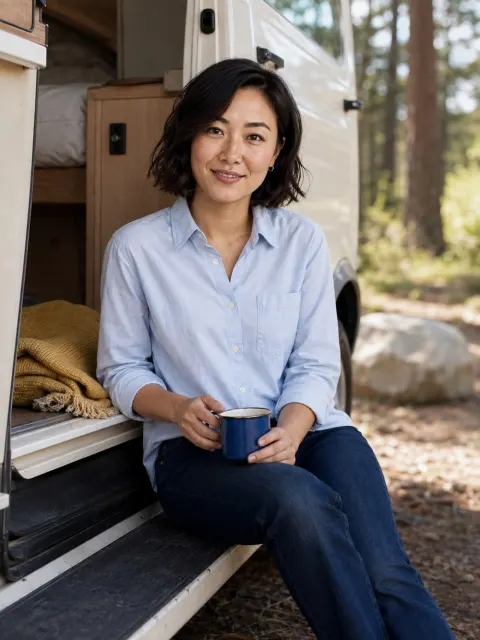
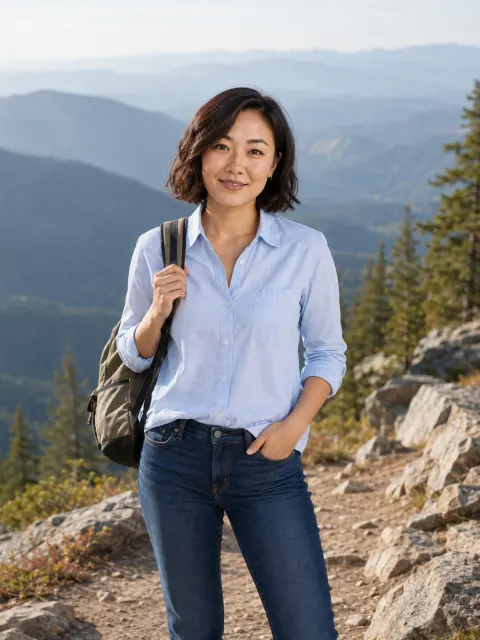
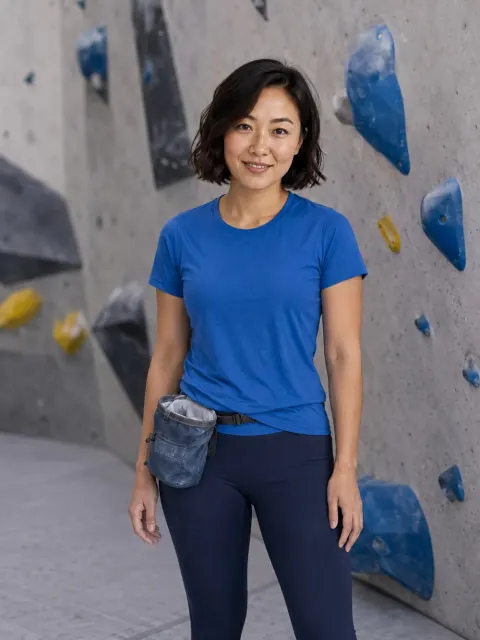
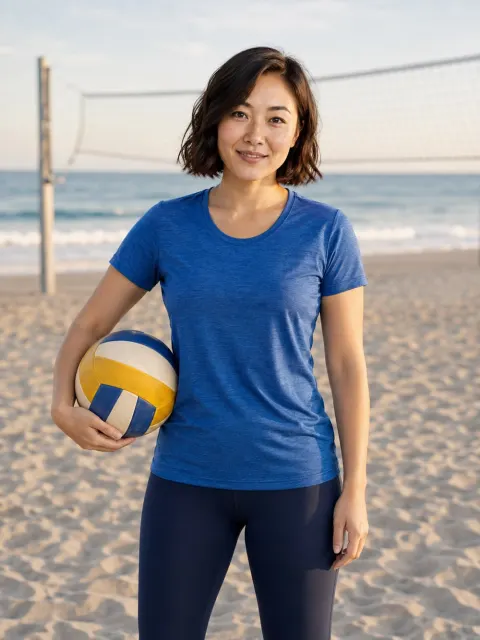
Fictional models. Illustrative examples, not customer pictures.
Each theme does a different job in a lineup, and each has its own trap.
**Everyday** pictures carry your first impression and your full-length view. The trap is near-duplicates: four café shots in different shirts.
**Pets** are the easiest opener there is. The trap is an animal in front of your face, or a borrowed dog presented as yours.
**Hobbies** give people a specific question. The trap is props for a hobby you don’t really have.
**Sport and active** pictures show your rhythm and suggest a date. The trap is the gym mirror and the mid-effort grimace.
**Travel and outdoors** add colour and curiosity. The trap is a tiny figure in front of a landmark.
**Nights out** show your social side and some range. The trap is a dark, blurred bar photo or a group where nobody knows which one is you.
Get three photos in one weekend walk
If your set is thin, plan a short walk with a friend and aim for three different jobs: a clear portrait, a wider environmental shot and an activity detail. One outfit is enough when the settings change.
Choose a compact route with varied backgrounds, such as a park entrance, a café exterior and a quiet residential street.
Start with the face-led portrait while you are fresh, in open shade or facing the light.
Move to a wider frame that shows your posture and the setting: front steps, a railing, a bench.
Finish with something you are doing: buying coffee, browsing a market stall, throwing a ball for the dog.
Review each frame at phone size before moving on.
Keep only frames with different purposes. The self-shoot guide covers timers, distance and briefing a friend, and the lighting guide explains why late afternoon and overcast days are so forgiving.
Ideas for rainy days and indoor settings
You don’t need sunshine, or to stand in the rain. Overcast light is soft and flattering. Use a covered entrance, a bright window or a café where photos are welcome, and let the weather sit in the background. Take a close portrait under shelter, then a wider frame with the wet street behind you, and wipe the lens first, because droplets cause a hazy blur that is hard to fix later.
Shops and studios say a lot about you, but ask first or follow the venue’s photography policy, keep it brief and stay out of other people’s way. Shelves are busy, so find an angle where your face is the focal point and avoid harsh overhead light. If it is too dark or crowded inside, take the portrait just outside the door instead. Hold a book or a record only if it fits the moment; pretending to love something just for the picture creates a story you then have to maintain.
Small details that make a big difference
Sunglasses off for at least your first two photos. Eyes do most of the work in a thumbnail.
One person per picture, or at least one person who is unmistakably you. Group shots belong after your face is clear.
Light filters only. Brighten and straighten, but don’t change your skin, eye colour or shape.
Recent pictures. If you have changed your hair, weight or style, your photos should show you now.
Clothes you actually wear. The outfits guide covers colours and fit that read well on camera.
Safe, polite settings. Ask before photographing in shops and cafés, keep strangers out of frame, and stay away from risky edges.
Men often find the advice above harder to apply, partly because they tend to have fewer photos taken of them. The guide to dating profile pictures for men has specific suggestions.
Where AI scenes fit
Every example on this page was made with Charmshots from the selfies of two fictional models, Mei and Marcus. They are illustrations, not customer photos, and not evidence of more matches or likes.
An AI portrait can help you picture a setting, or fill a gap while you take real photos, but it is not evidence that you visited a place, own a pet or have a skill. Only choose scenes that reflect your real life, keep genuine recent photos in your lineup, reject any result that doesn’t look like you, say it is AI if someone asks, and check your app’s current rules. The guide to AI photos on dating apps explains how to find them, and the selfie guide covers which pictures to upload.
Questions
What are good photo ideas for a dating profile?+
Use scenes from your real life: a café portrait, a walk or hike, a pet, cooking at home, a hobby, a recent trip, a dressed-up evening and one full-length shot. Pick a few that fit you and keep your face readable in each.
How many photos should a dating profile have?+
Hinge asks for six, and six is a good target elsewhere too. Fewer strong, varied photos are better than more near-duplicates.
Should every dating profile photo be a portrait?+
No. A clear portrait introduces you, while wider pictures and genuine activities add different information. Keep at least one face-led photo, then add context shots that are current and recognisable.
What should my first dating profile photo be?+
A recent solo picture with your eyes visible, soft light and enough space around your head to survive the crop. An everyday setting is usually best because it doesn’t compete with your face.
Can I use these example images as proof of results?+
No. The scenes are AI illustrations made from fictional models’ selfies and the advice is editorial. They are not customer profiles and not evidence of more matches or likes.
Your next first impression starts here.
Pick your scenes, add a few selfies and see your first photo in minutes. One-time packs from $12.