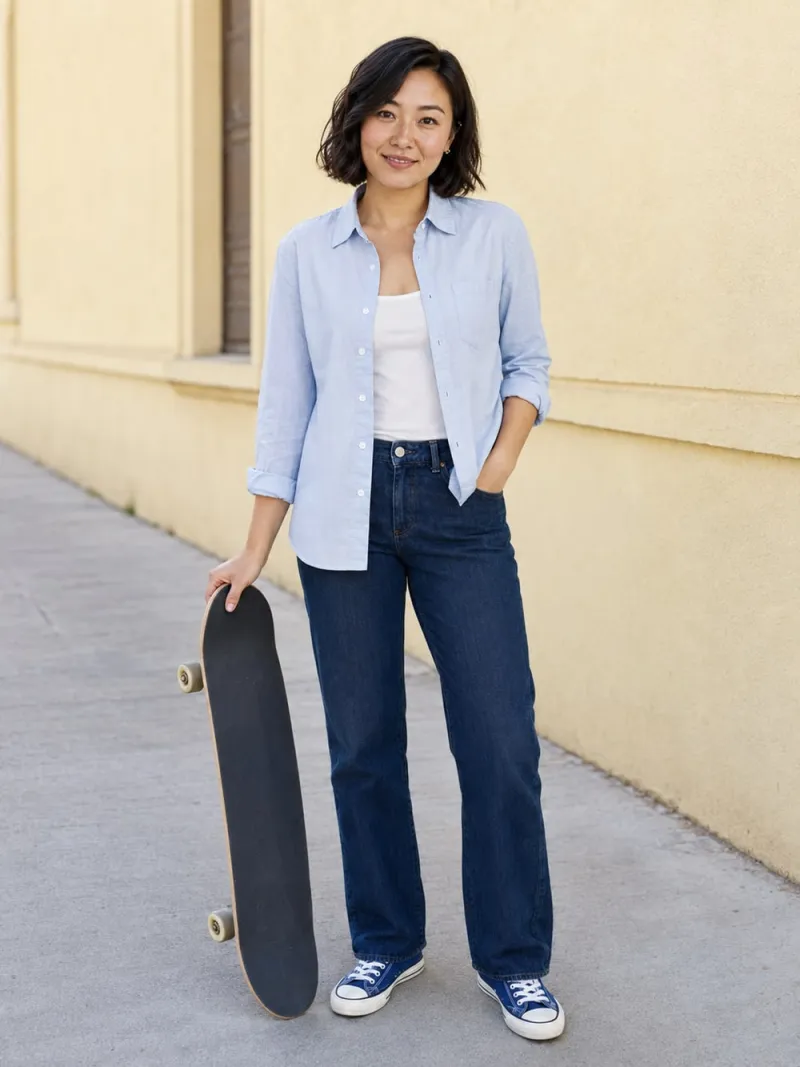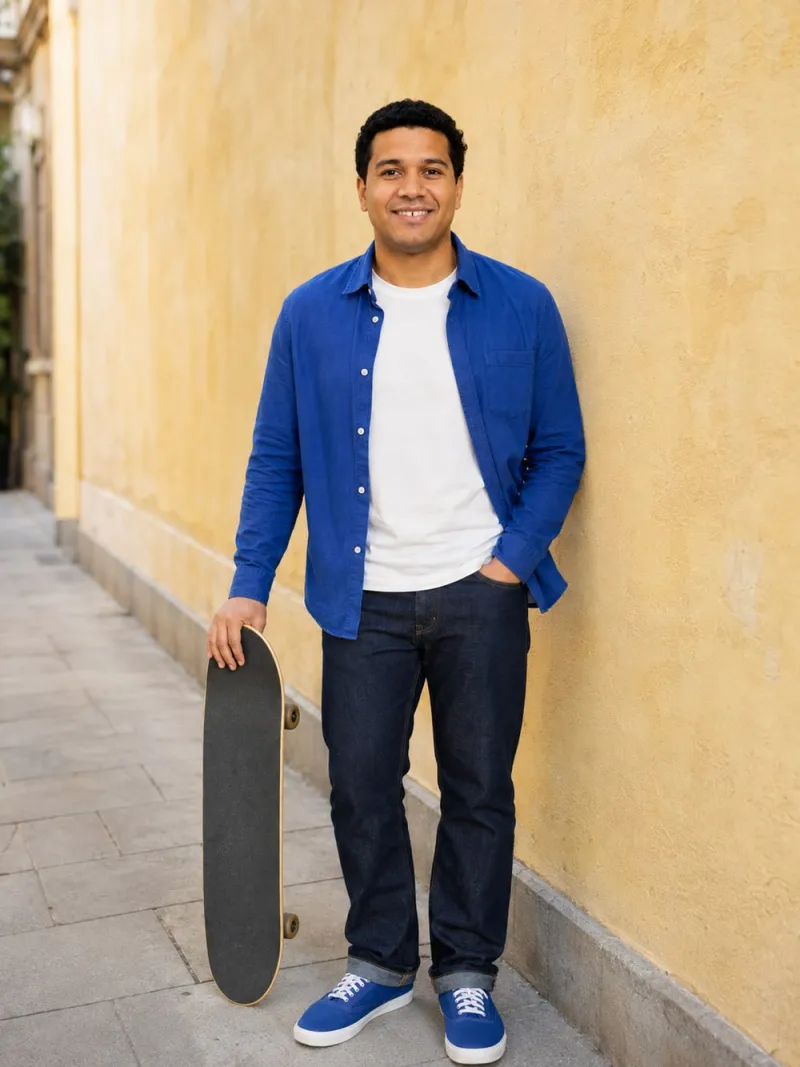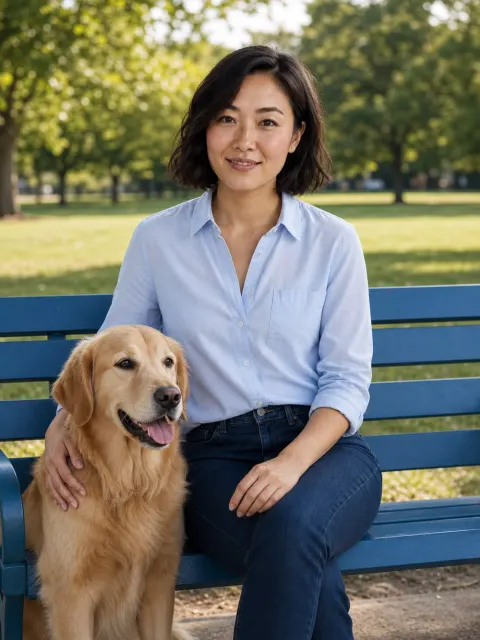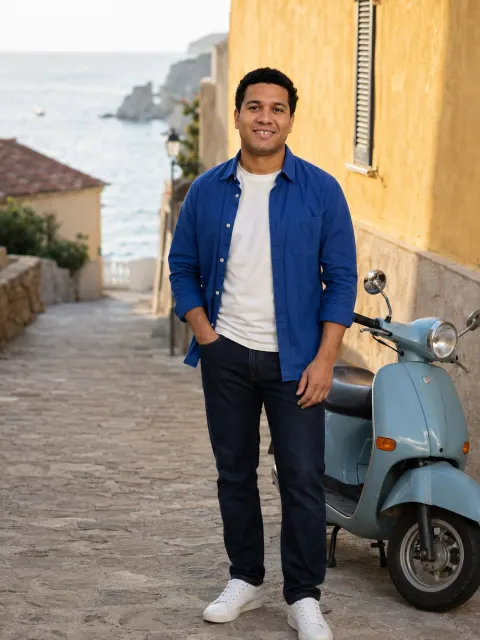
What an active picture tells people
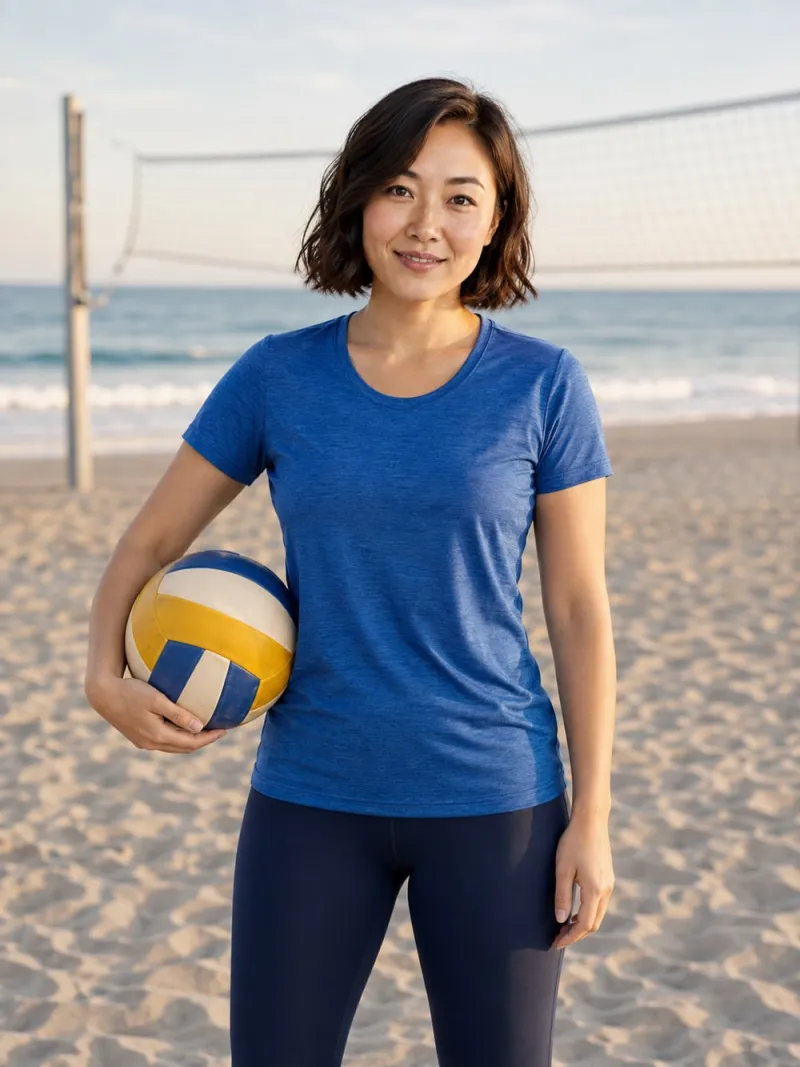
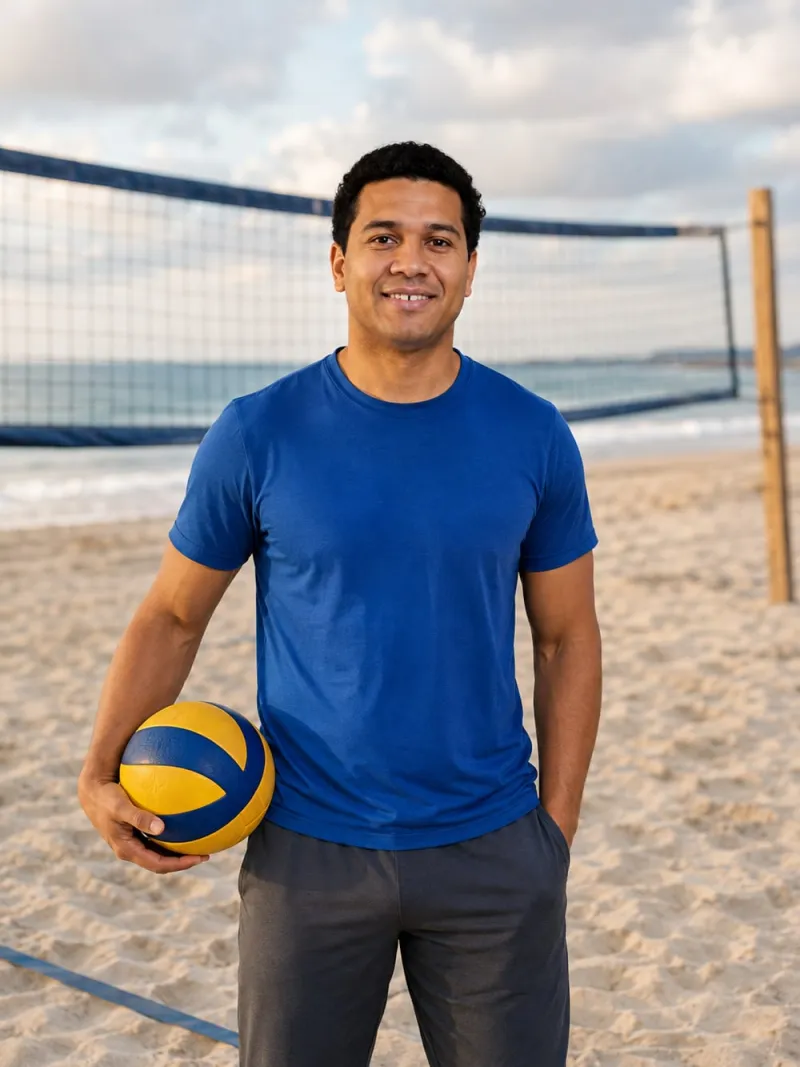
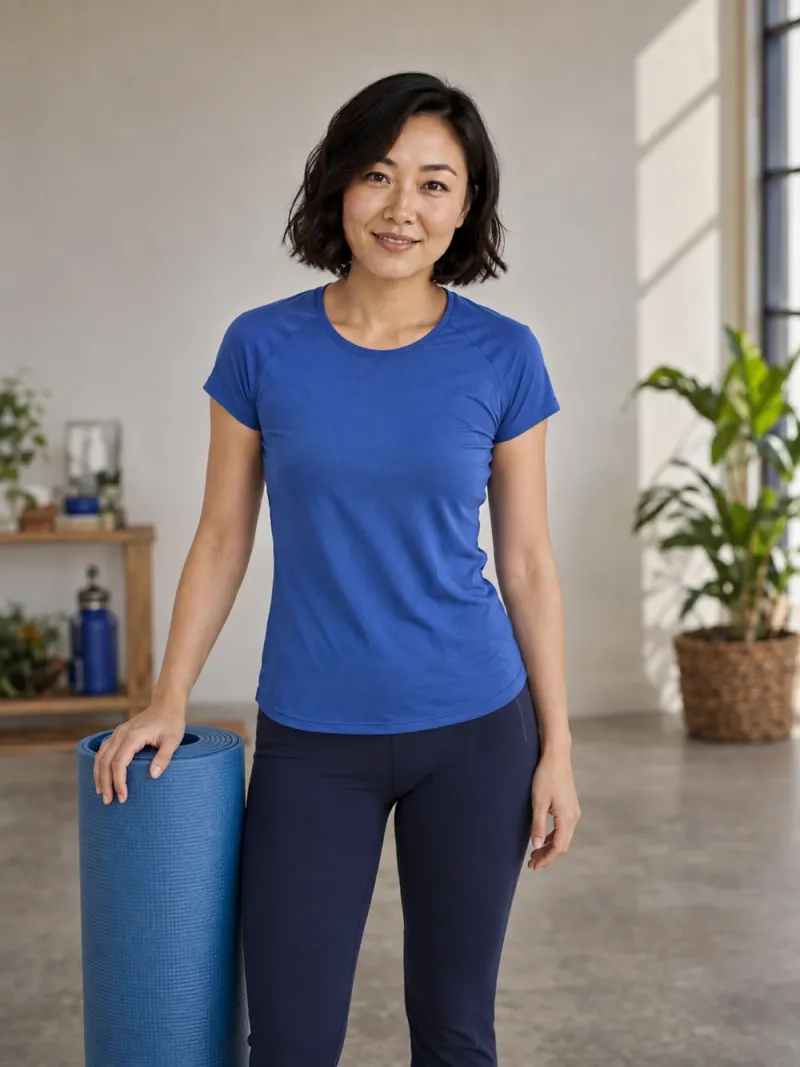
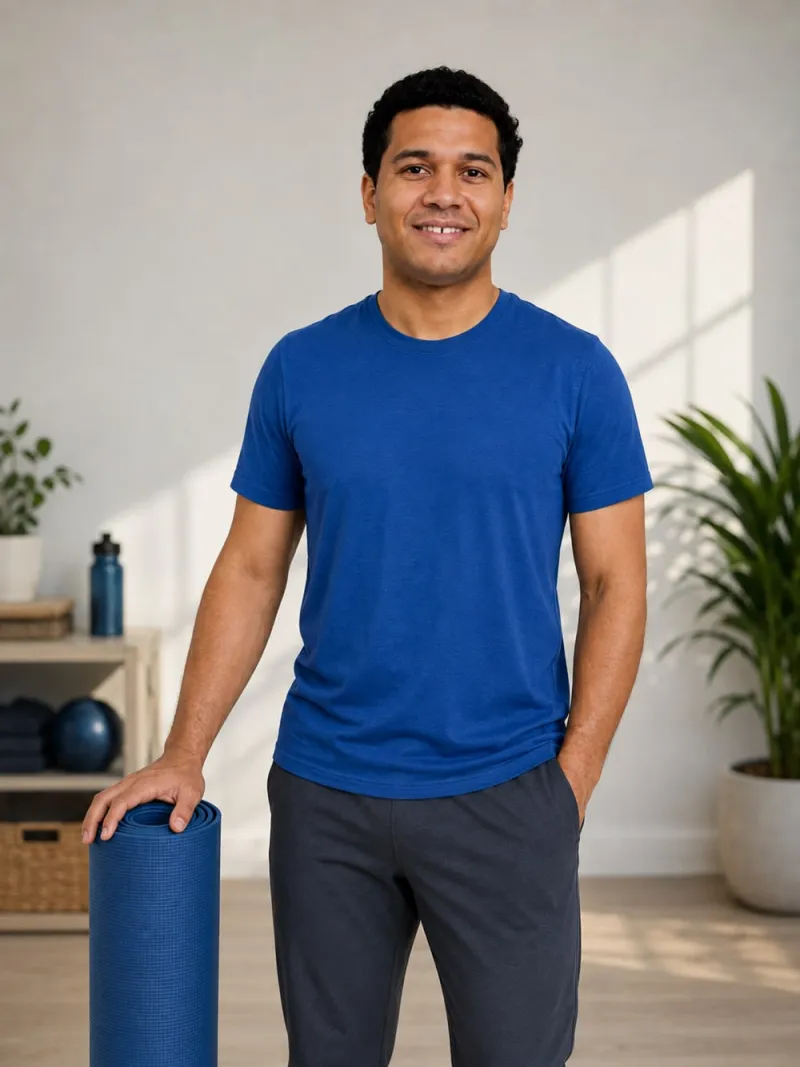
Sport and movement are compatibility questions as much as hobbies. Someone who climbs three evenings a week, plays in a Sunday league or does yoga before work has a rhythm to their week, and the people who match with them will either share that rhythm or need to fit around it. A single active photo makes that visible without a paragraph of explanation.
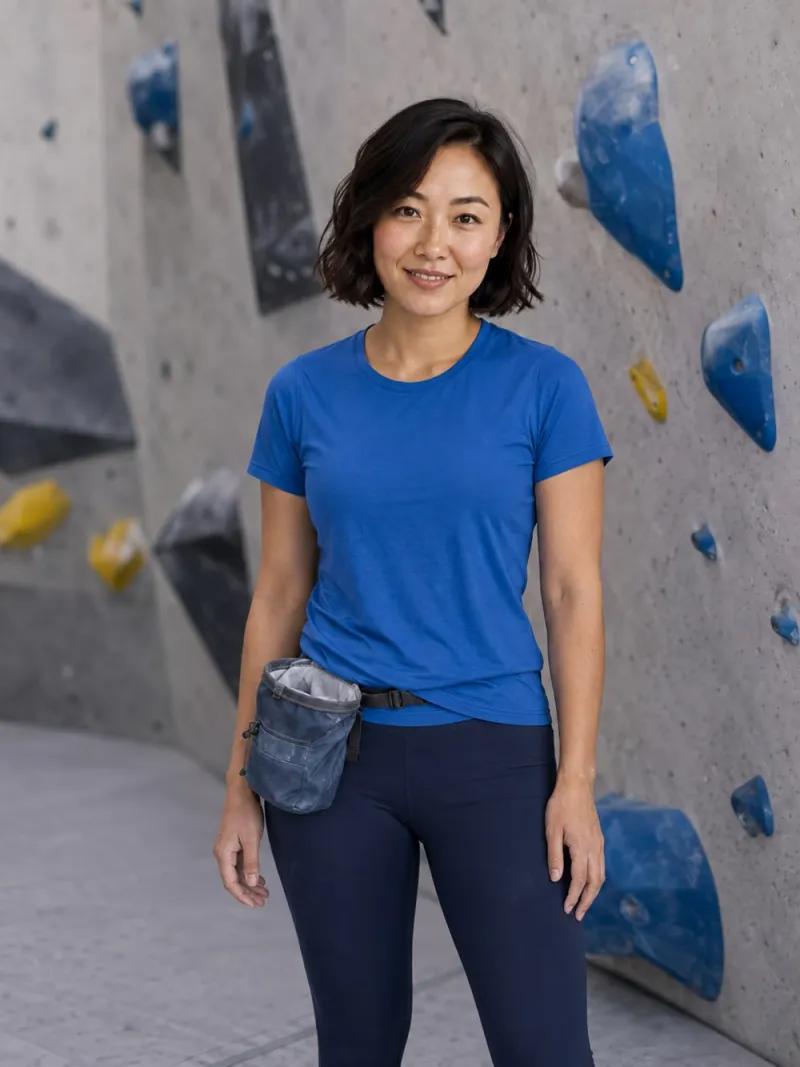
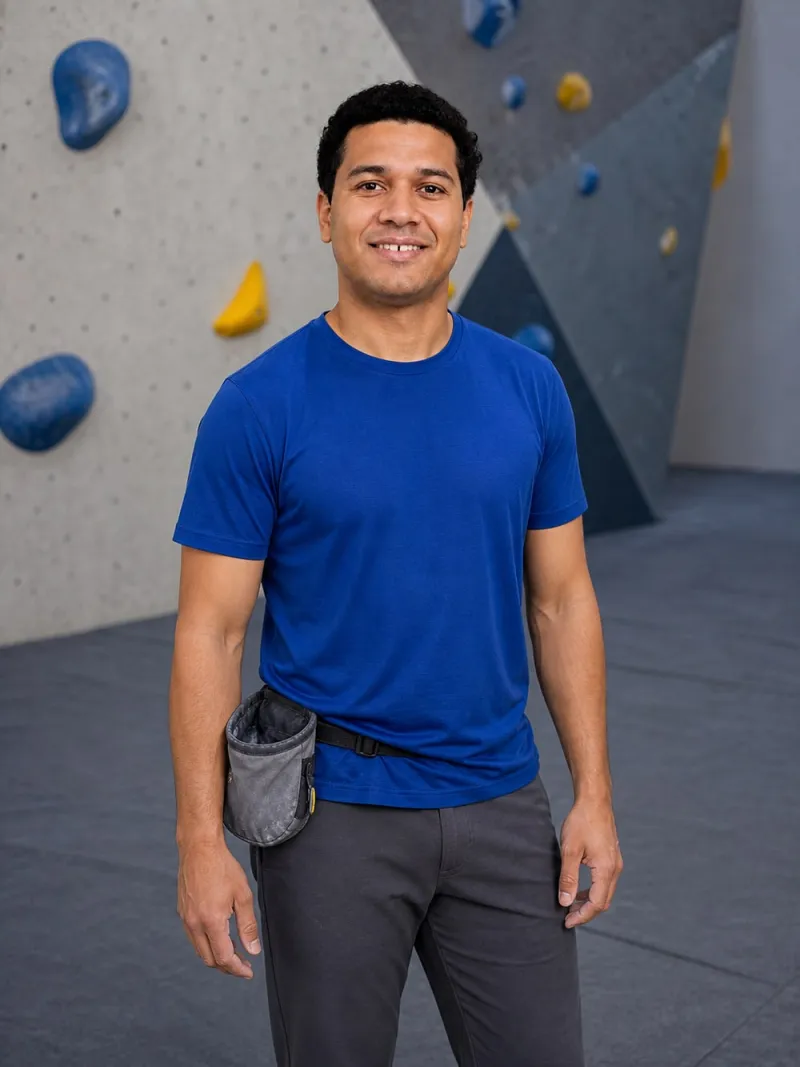
It also gives people something to do together. A climbing wall, a game of volleyball or a long walk is a natural first or second date for anyone who would rather move than sit across a table. That is why an active photo often turns into a plan faster than a portrait.
What it shouldn’t do is become a statement about your body. The useful version shows what you enjoy and how you look when you are enjoying it. The less useful version is about muscles, and tends to start a different conversation from the one you wanted.
Where it fits in the lineup
Put an active photo in the middle: after a clear portrait and a wider everyday shot, before or after something social. One is usually right. Two can work if they are very different, a solo climb and a team game, but a profile that is all training reads as a profile with room for nothing else.
If sport is a big part of your life, let the prompts carry the detail instead of adding more photos. Your level, your club, the race you are training for: those are better as words next to one good image than as five near-identical action shots.
How to take an active photo that still shows you
- Shoot between efforts, not during. The face you pull at the crux of a climb or the top of a squat is not the face you want strangers to meet. The moment just after, pleased and a little out of breath, is.
- Turn towards the camera. Most sport photos are taken from behind or below. Ask your friend to stand where you can look back at them.
- Daylight beats gym lighting. Outdoor courts and bright studios flatter; strip lights and mirrors don’t. If you are indoors, stand near a window or a well-lit wall.
- Wear what you actually train in. Clean, fitted kit you would really wear is better than a brand-new outfit bought for the picture. The outfits guide covers colours that work on camera.
- Keep the equipment out of your face. Helmets, goggles, rackets and caps all hide the most important thing.
Mistakes to avoid
- The gym mirror selfie. It is the most common active picture and the least inviting: phone in front of your face, harsh light, nothing to ask about.
- Shirtless as the main point. If the photo exists to show your body, people will read it that way. A relaxed shot in kit says the same about fitness with less pressure. Check each app’s content rules too.
- Race photos with your bib number. Fine as a memory, but a race number and event name can be traced to your full name. Crop or skip it.
- Team photos where nobody knows which one you are. Use a solo frame from the same day, or make sure you are unmistakable.
- A sport you tried once. It will be the first thing someone asks about. Show the activity you really do, even if it is less photogenic.