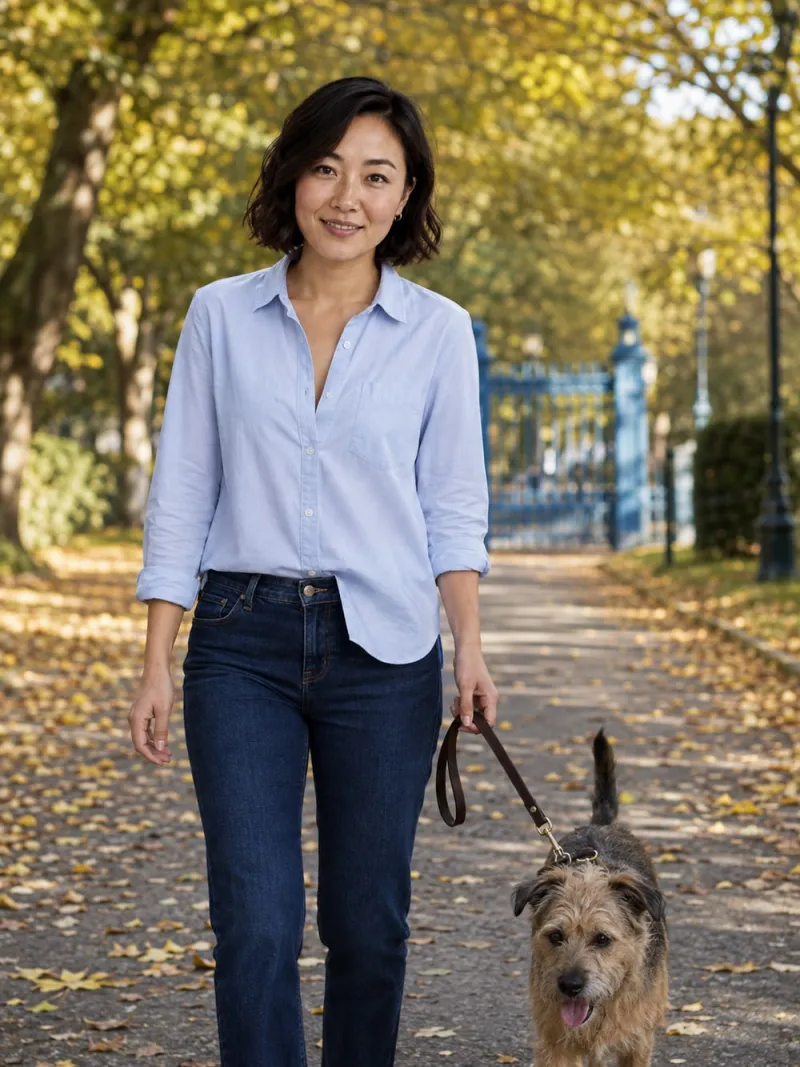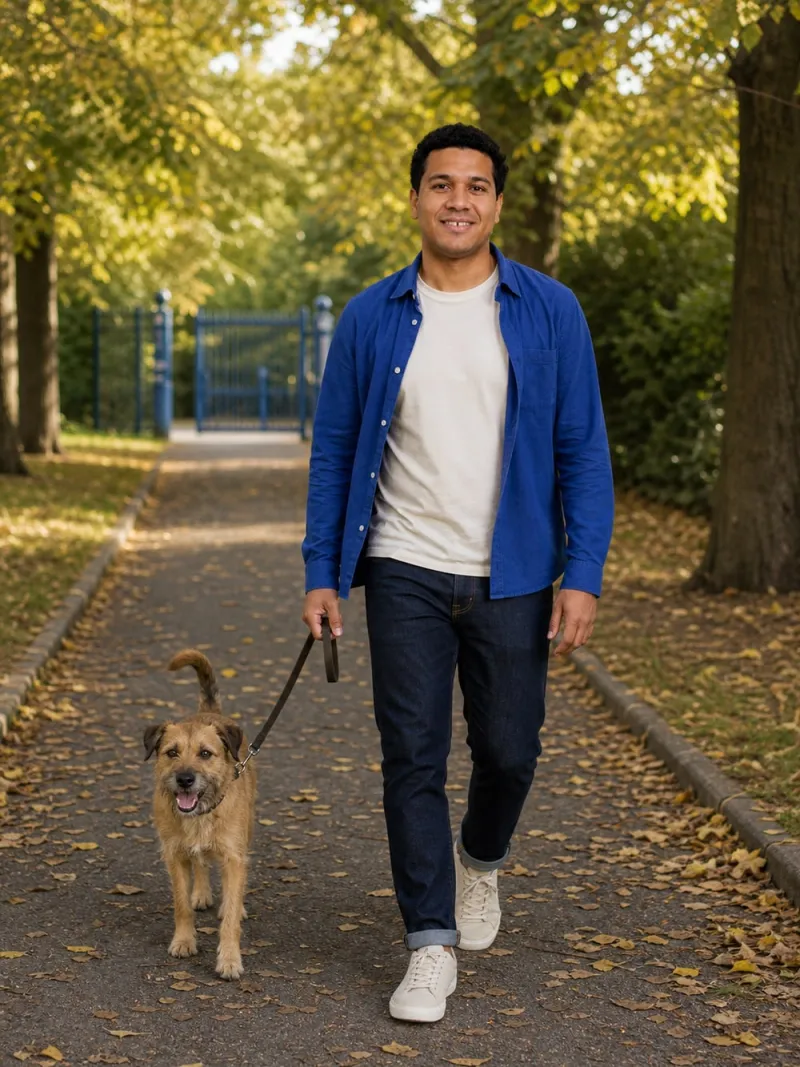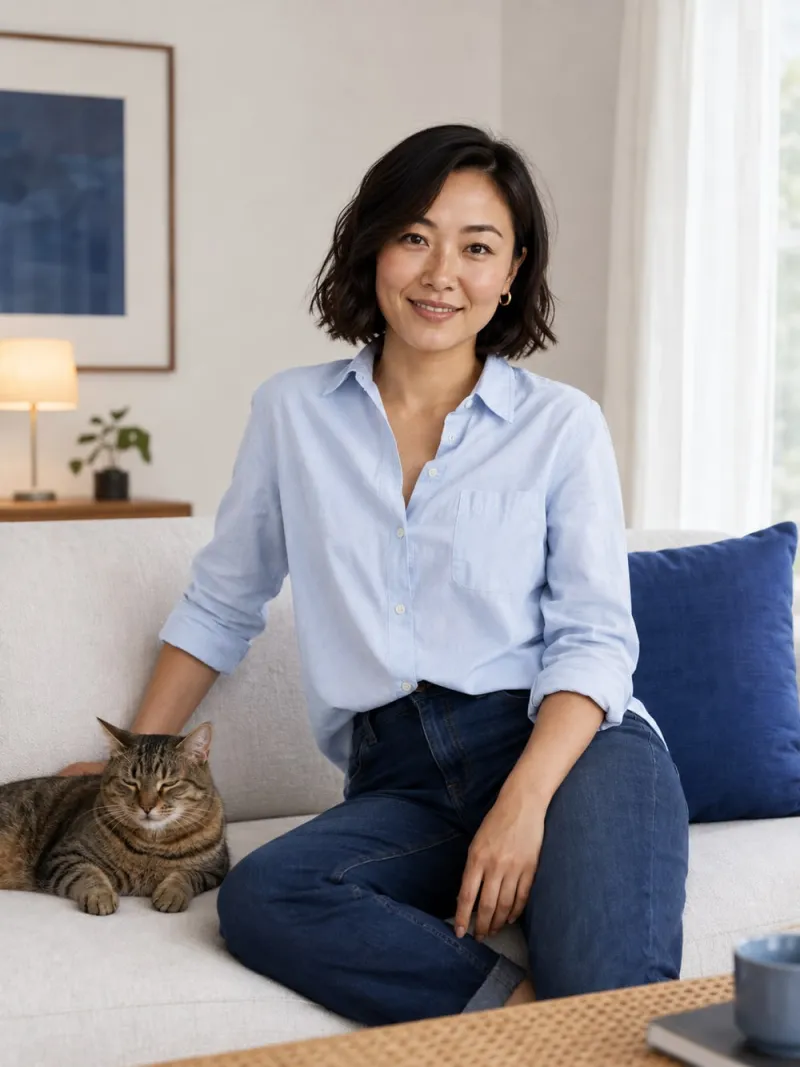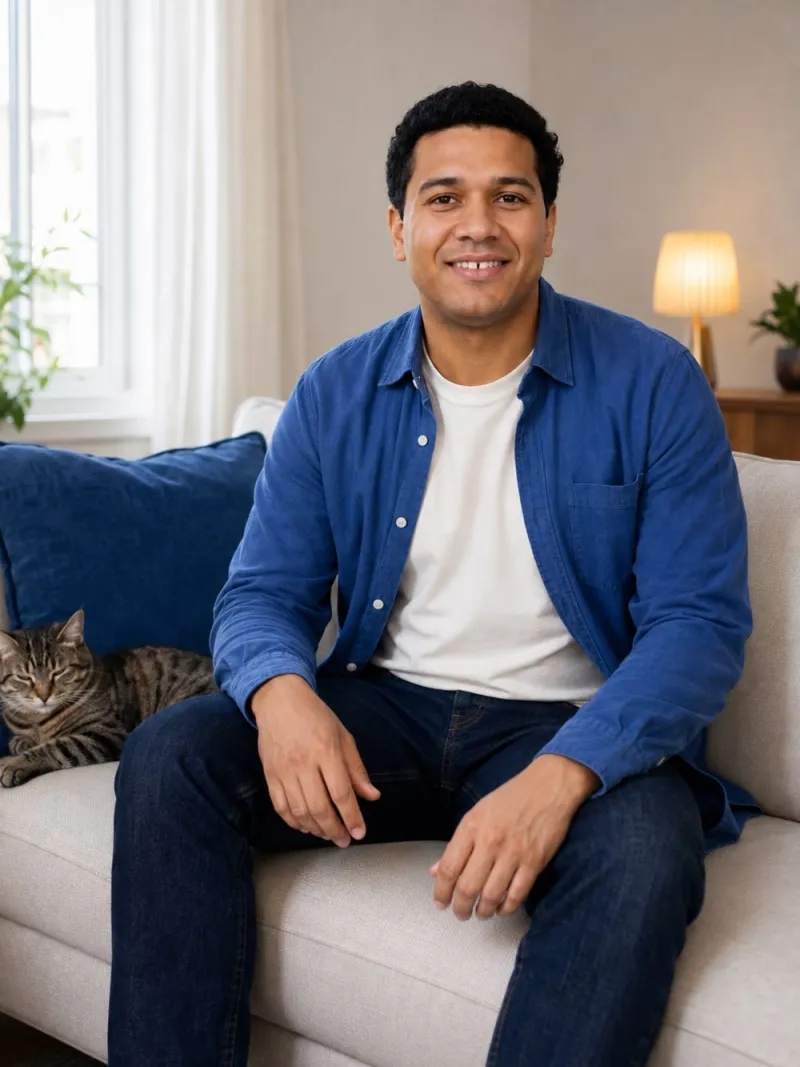
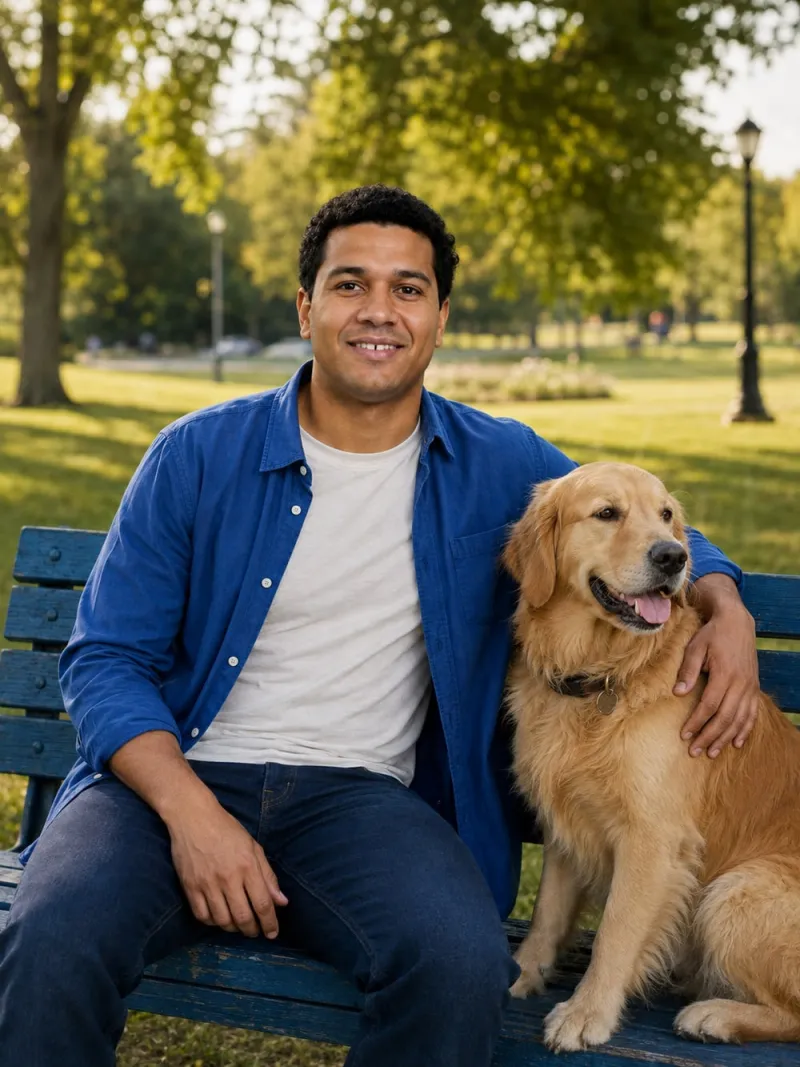
What a photo with your pet says
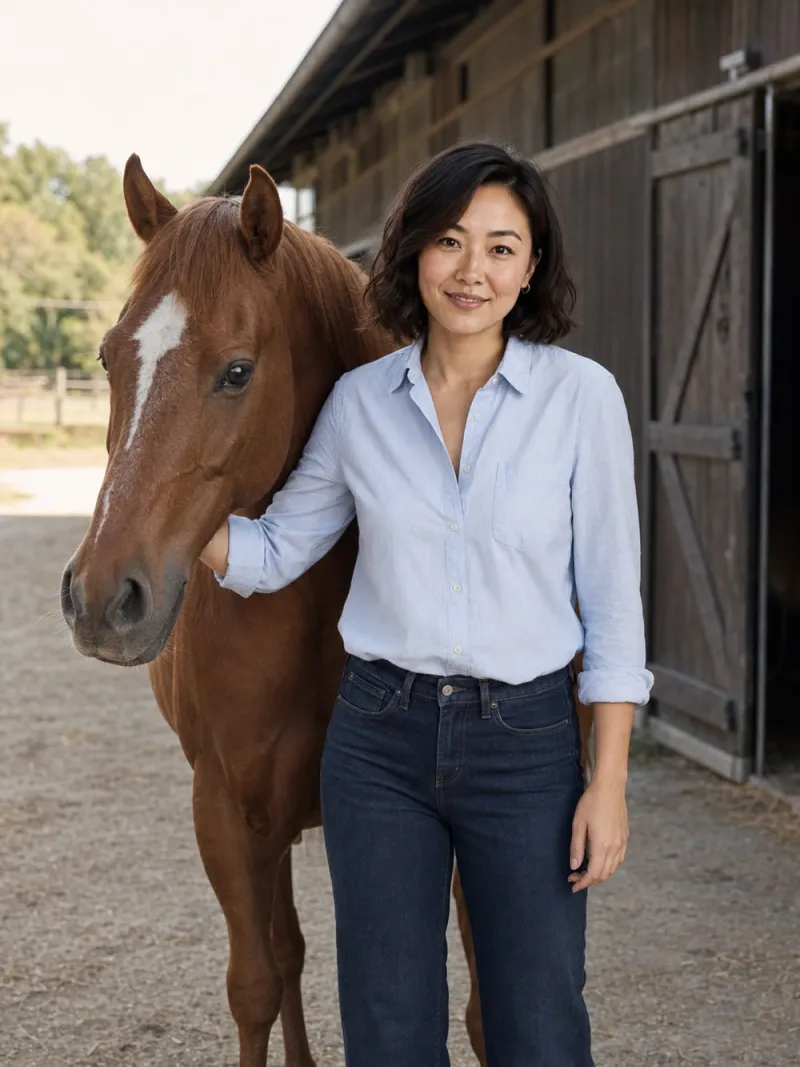
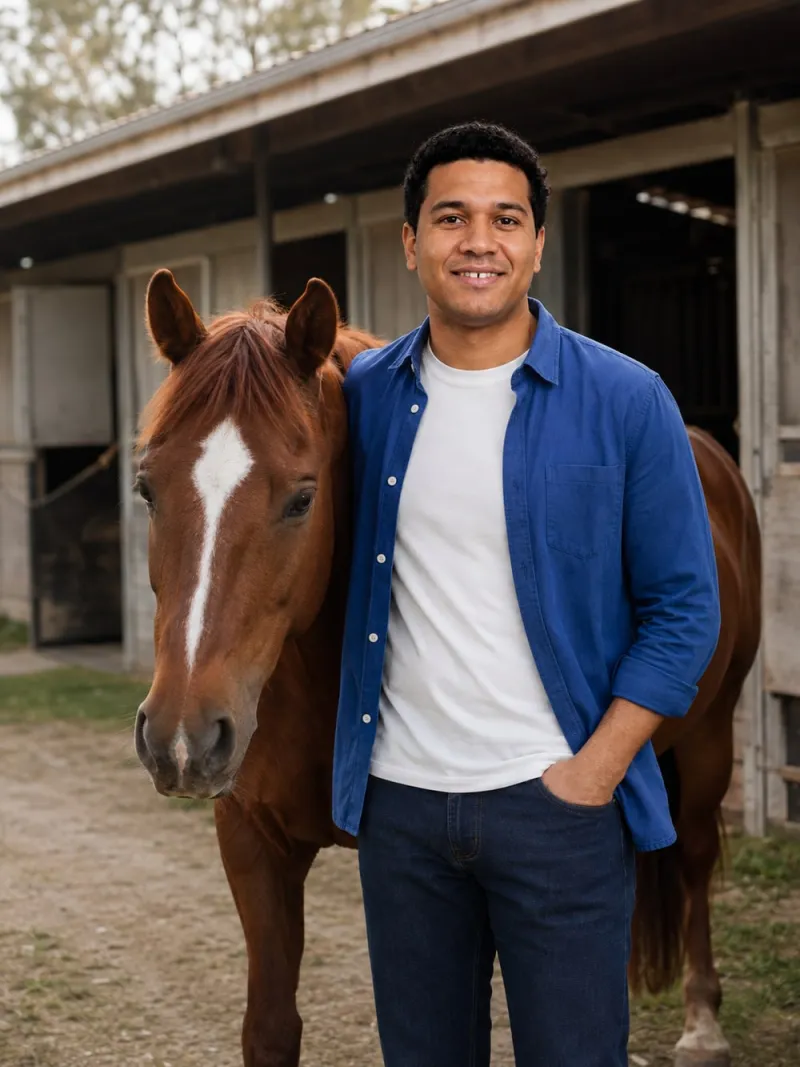
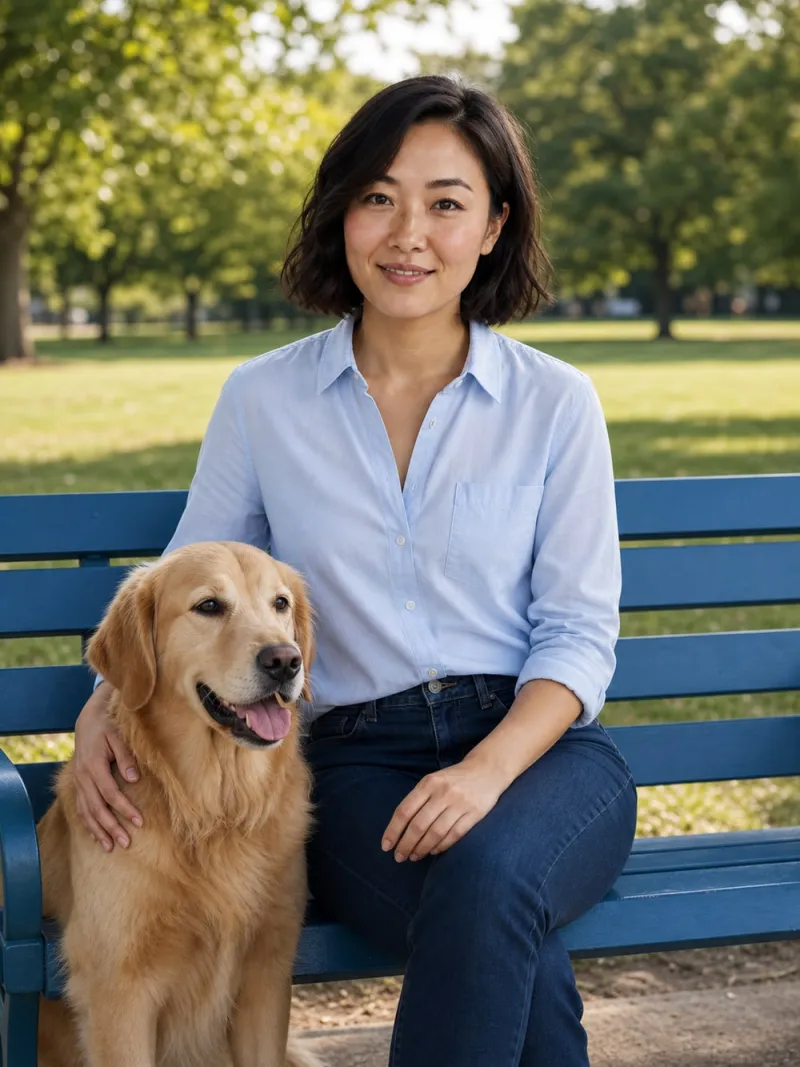
A pet in your photo answers questions you would never put in a bio. It tells people you are used to looking after something, that part of your day is already spoken for, and roughly what home is like. A dog suggests walks in all weathers and a routine built around them. A cat suggests a settled home and a certain patience. A horse suggests early mornings, muddy boots and weekends at the yard.
It is also practical information. Someone with a cat allergy, someone who already has two dogs, or someone who badly wants a dog of their own will all read the picture differently, and that is useful for everyone. Being upfront about an animal that shapes your week saves a slightly awkward conversation later.
Most of all, a pet gives people something easy to say. Asking a stranger about their job can feel like an interview; asking what the dog is called feels like small talk in a park. For a match who is nervous about the first message, that matters more than how polished the picture is.
Where a pet picture sits in a six-photo lineup
A pet photo is a supporting photo, not an introduction. Your first picture has one job, which is to show clearly what you look like now, and it works best when you are on your own with nothing competing for attention. The first-photo guide covers that slot in detail.
Second or third is usually the right place for the animal. By then people know your face, so the pet adds context rather than confusion. A simple order for six photos might look like this:
- A clear solo portrait: head and shoulders, recent, good light.
- Your pet, with your face still easy to read.
- A wider everyday shot that shows your style and build.
- Something you do: a hobby, a sport, a walk you love.
- A social or evening picture, so you don’t look permanently at home.
- A different mood, such as a trip, a dressed-up night or a quiet moment.
One pet photo is usually plenty. Two can work if they do different jobs, say a calm shot at home and an action shot outside, but a lineup where the dog appears in every frame starts to read as the dog’s profile. The lineup guide explains how to spot pictures that repeat each other.
How to take or choose a good one
The best pet photos are ordinary moments that happen to be well lit. You don’t need a studio or a perfectly behaved animal; you need patience and a friend with a phone.
- Get down to their level. Crouch, or sit on the floor or the sofa. Holding a cat or small dog up to the camera rarely looks natural, and it usually puts the animal in front of your face.
- Work with the routine. Dogs are calmest after a walk, cats on a sofa in the evening, horses once they have been fed. Plan the shot for then rather than fighting their energy.
- Use soft light. Open shade in a park, a bright window indoors or a grey day outside. Harsh midday sun makes you squint and turns a black dog into a shapeless shadow.
- Take lots of frames. Animals move. Shoot in bursts and expect most to be blurred or mid-blink; you only need one where you both look relaxed.
- Check the thumbnail. Shrink the picture to phone size. If the first thing you notice is fur, crop tighter on you or choose another frame.
The self-shoot guide has more on timers, distance and briefing a friend.
Mistakes that make pet photos backfire
- The pet hides your face. A dog’s head in front of your chin or a cat held against your cheek turns the picture into a pet portrait. Keep the animal beside or below you.
- Sunglasses and caps. Dog walks happen outside, so people often wear both. Take them off for this one; your eyes matter more than the weather.
- The borrowed dog with no explanation. A friend’s dog is fine as long as you say whose it is. Presenting it as yours sets up the first question you will have to walk back.
- Group confusion. A family shot with three people and two dogs leaves people guessing which one you are. Use a solo frame with the animal instead.
- Heavy filters. Warm presets that flatter fur can shift your skin tone and hair colour. Compare against an unedited recent picture before you upload.
- A very old favourite. If the photo is several years old you may look different now, and people will naturally ask after the animal.